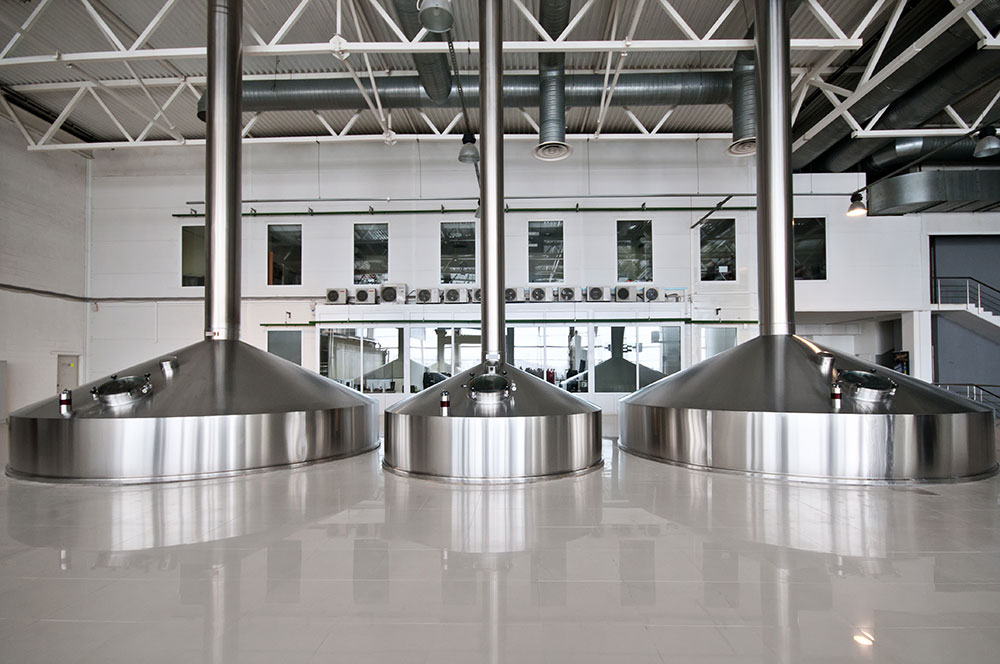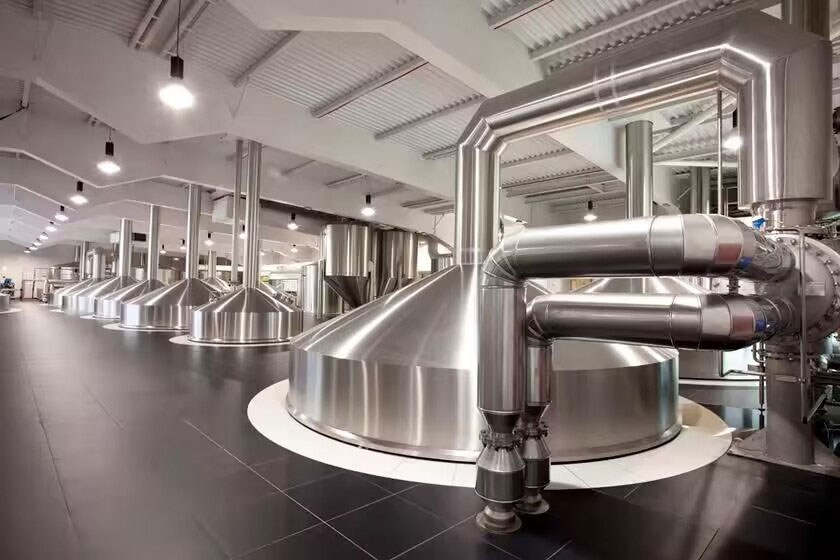

Commercial breweries in Nigeria and Pakistan face an operational reality that equipment suppliers from stable markets rarely address energy costs frequently exceed 25-30% of total production expenditure, and grid reliability is measured in hours of availability rather than uptime percentage. This article examines system design strategies for facilities operating at commercial scale—50 hectoliter batches and above, annual production exceeding 3,000 kiloliters—based on operational data collected from brewery projects in Lagos and Lahore between 2022 and 2025.
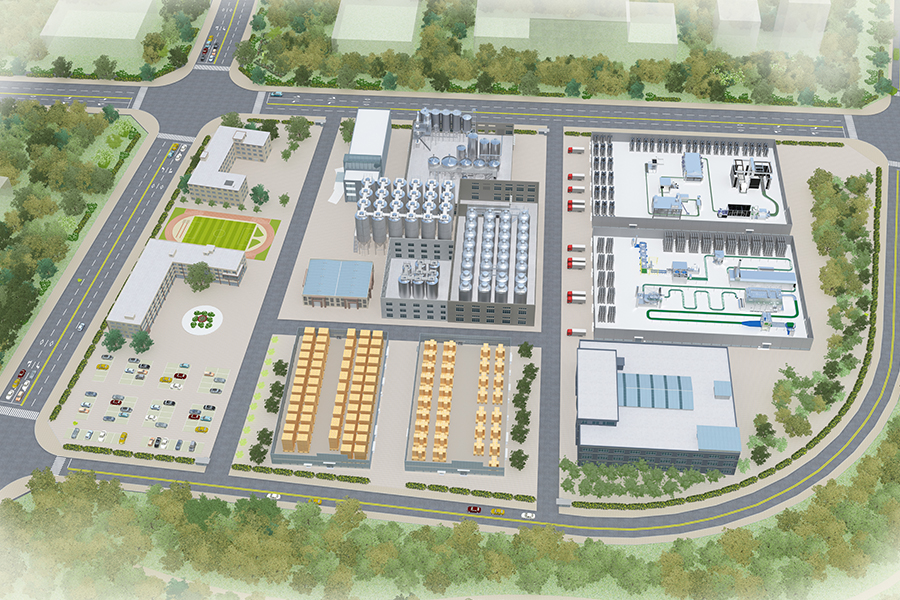
Energy Arithmetic at Scale
A 50-hectoliter brewhouse producing six brews daily consumes approximately 1,200 to 1,500 kilograms of steam per batch under optimal conditions. However, field observations during the Lagos rainy season indicate that consumption can spike to 1800 kilograms when ambient humidity reduces evaporation efficiency. At prevailing Nigerian industrial energy costs—₦209–289/kWh ($0.13–0.18/kWh) for Band A grid supply, and ₦250–400/kWh ($0.15–0.25/kWh) for diesel backup generation—this volatility directly impacts margins.
Pakistan presents comparable challenges. Despite tariff rationalization to ₹23/kWh ($0.08/kWh) for incremental industrial consumption above the 25% baseline, actual base-load tariffs remain elevated, and natural gas supply curtailments that began in 2021 persist. The brewery sector, though constrained by regulatory frameworks, faces identical thermal intensity: approximately 40 kWh per hectoliter for standard lager production, with 60–75% concentrated in brewhouse operations.
For a commercial facility producing 10,000 hectoliters annually, thermal energy demand reaches 400,000–500,000 kWh. At current costs, annual energy expenditure ranges from $80,000 to $120,000—sufficient to justify capital-intensive efficiency investments with sub-36-month payback periods.
System Architecture: Beyond Basic Configuration
Commercial-scale brewhouse design requires moving beyond vessel count considerations. For 50HL+ operations, four-vessel systems (mash tun, lauter tun, kettle, whirlpool) represent the baseline configuration, enabling 6–8 daily brew cycles. Critical design decisions shift to thermal integration and energy resilience.
Steam Generation: Efficiency Under Fuel Volatility
Traditional fire-tube boilers (80–85% thermal efficiency) impose unsustainable operating costs when fuel prices fluctuate 40% annually, and preheating cycles waste fuel during unpredictable grid interruptions. Modern installations in Lagos and Karachi increasingly adopt modular once-through steam generators (OTSG) with 95%+ efficiency and 90-second startup capability—eliminating the 30–45-minute preheating penalty of conventional systems.
Essential specifications for these markets include:
- Condensing economizers: Recovering latent heat from flue gases preheats feedwater to 80–90°C, reducing fuel consumption 10–15%
- Condensate return systems: Each metric tonne of 80°C condensate returned saves approximately 100 kilograms standard coal equivalent in make-up water heating
- Dual-fuel capability: Natural gas primary with diesel automatic switchover to maintain steam pressure during supply curtailments
Heat Recovery: Capturing Dissipated Value
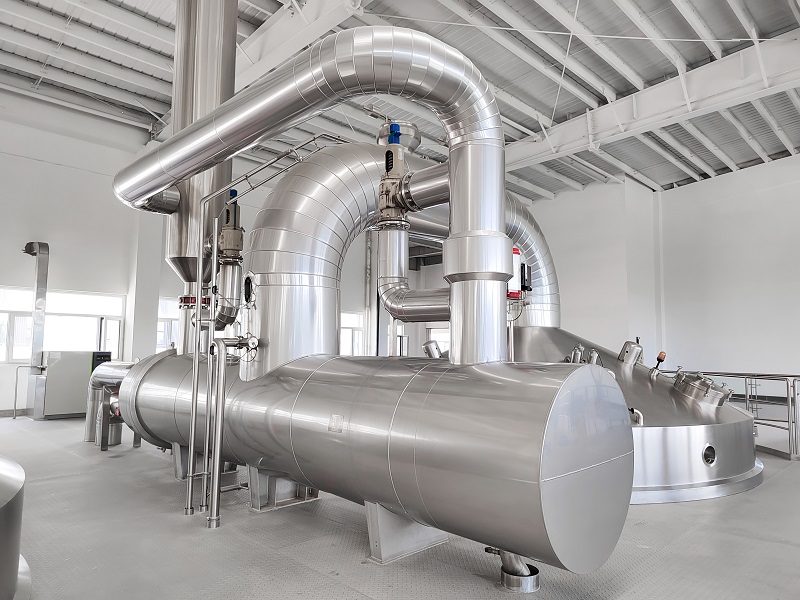
Field measurements at large-scale Chinese breweries (600-million-liter annual capacity) indicate 37.2% of steam energy input dissipates as thermal losses—primarily through incomplete flash steam recovery and heat exchange inefficiencies. For Nigerian and Pakistani operations, this represents recoverable economic value.
Wort boiling vapor recovery offers maximum impact. Vapor condensers on brew kettles capture steam’s latent heat to preheat brewing water from 20°C to 80–85°C, reducing subsequent heating energy requirements up to 70%. For a 20,000 HL brewery, this modification can reduce annual thermal costs by $15,000–25,000.
Glycol system heat recovery provides secondary benefits. Fermentation cooling system heat, upgraded via heat pumps to 60–70°C, addresses CIP requirements or space heating. Australian industry analyses demonstrate integrated heat pump systems reduce refrigeration energy while resolving hot water demand—effectively increasing daily throughput by eliminating heating bottlenecks rather than accelerating equipment cycles.
Implementation requires plate heat exchangers optimized for local water quality (hardness management is critical in both markets), thermal storage vessels with 2–3 batch capacity, and automated valve sequencing for real-time heat routing.
Electrical Resilience: Multi-Layered Architecture
For breweries where grid availability ranges from 8 to 16 hours daily, electrical design must assume an intermittent supply. The standard architecture emerging in leading facilities comprises three tiers:
Tier 1: Grid + Solar PV Base Load
Rooftop photovoltaic installations (100–500kWp) cover daytime demand for packaging, compressed air, and non-critical processes. Pakistan’s industrial solar capacity exceeds 20GW; Nigerian commercial breweries increasingly adopt 100kVA+ installations.
Tier 2: Battery Energy Storage
Lithium-ion systems (4–6-hour capacity at critical load) maintain fermentation temperature control, refrigeration, and process control during grid transitions. This eliminates generator fuel consumption for brief outages (<2 hours) and provides power quality conditioning against voltage fluctuations that damage PLC systems.
Tier 3: Diesel Generation
Backup generators sized for 100% process load remain essential for extended outages. However, operational discipline restricts utilization to genuine emergencies—at $0.15–0.25/kWh, diesel-generated electricity approximately doubles production costs.
Variable Frequency Drives (VFDs) on all pumps and motors reduce electrical demand 30–50% by matching power consumption to actual process requirements. For a 50HL brewhouse with 15–20 motor systems, this represents 40–60kW demand reduction—enabling downsized backup generation capacity and capital cost reduction.
Cooling System Optimization
In climates where ambient temperatures regularly exceed 35°C, refrigeration energy intensity increases 15–25% compared to temperate design conditions. Enhanced specifications include:
- Evaporative pre-cooling on chiller condensers, reducing glycol temperatures 3–5°C and improving efficiency 10–15%
- Cooling towers sized for peak summer conditions rather than annual averages, with variable speed fans and water treatment systems addressing the high scaling potential of local supplies
- Centralized glycol systems with distributed heat recovery, replacing independent cooling circuits for wort, fermentation, and packaging
Automation and Process Control
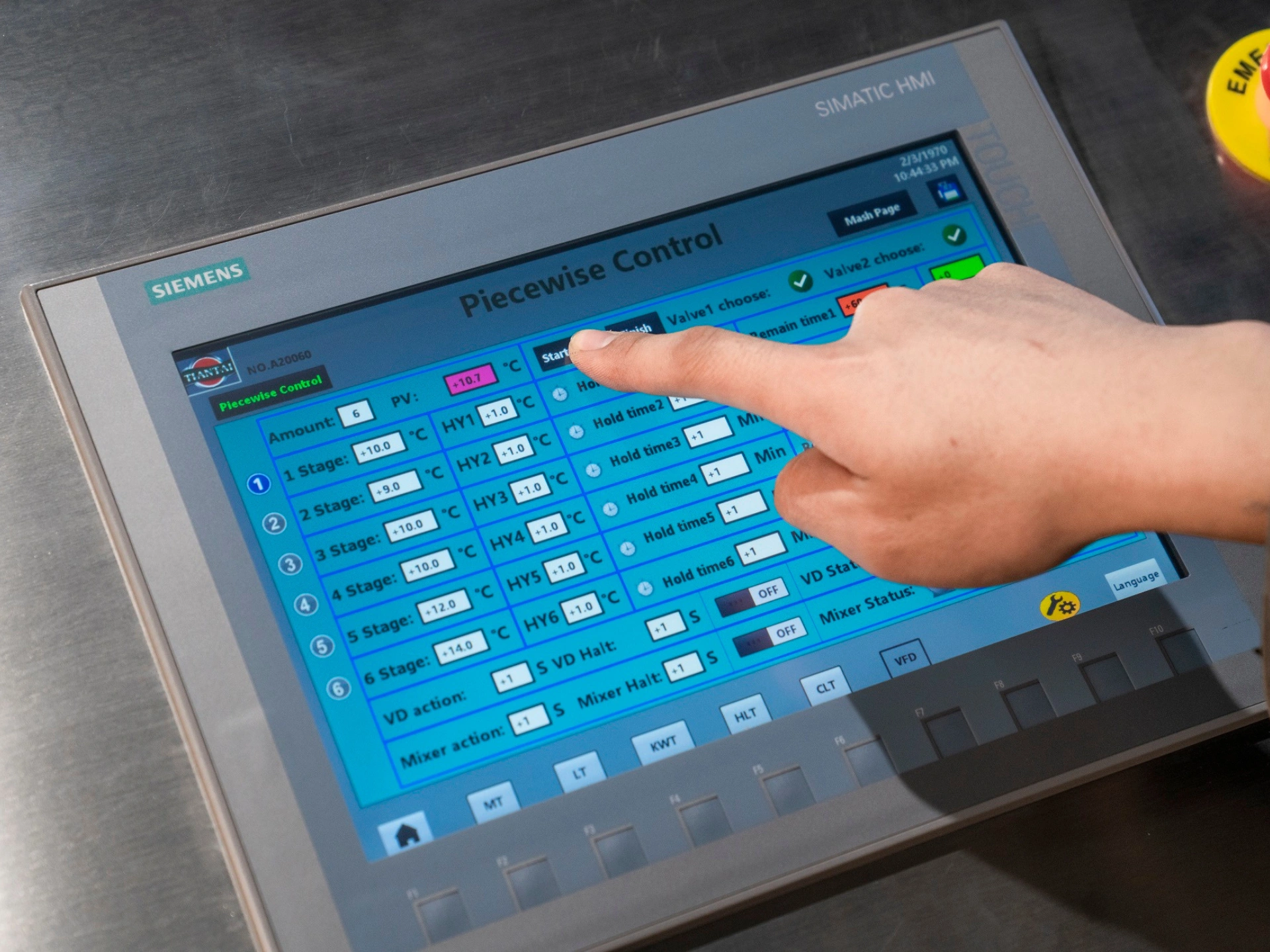
On a commercial scale, automation becomes essential for energy management rather than optional convenience. Programmable Logic Controllers (PLCs) with recipe-driven valve sequencing ensure heat exchange operations occur at optimal temperatures and flow rates, maximizing recovery efficiency.
Critical control points include:
- Mash temperature profiling (±0.5°C precision prevents re-heating cycles)
- Automated lauter tun sparge optimization based on extract measurement
- Kettle boil control with steam modulation based on evaporation targets
- CIP optimization with temperature and chemical concentration control
Capital investment for full automation (approximately 15–20% of brewhouse equipment cost) typically delivers payback within 18–24 months through energy savings and throughput increase.
Maintenance and Local Capability
High-cost energy markets frequently correlate with limited technical infrastructure. System design must prioritize maintainability:
- Standardized components from manufacturers with regional service presence (Grundfos, Alfa Laval, Siemens)
- Modular skid-mounted subsystems enabling swap-out repair rather than field troubleshooting
- Remote monitoring capability via IoT-enabled sensors with VPN access for overseas technical support
Spare parts strategy balances holding costs against supply chain risk. Critical rotating equipment (pump seals, valve actuators, temperature sensors) requires 12-month local stock; major components rely on regional distribution with 2–4-week delivery capability.
If you’re evaluating a commercial brewery project in Nigeria or Pakistan, send us your utility bills and production targets. We’ll run the numbers and tell you where the breaking point is.