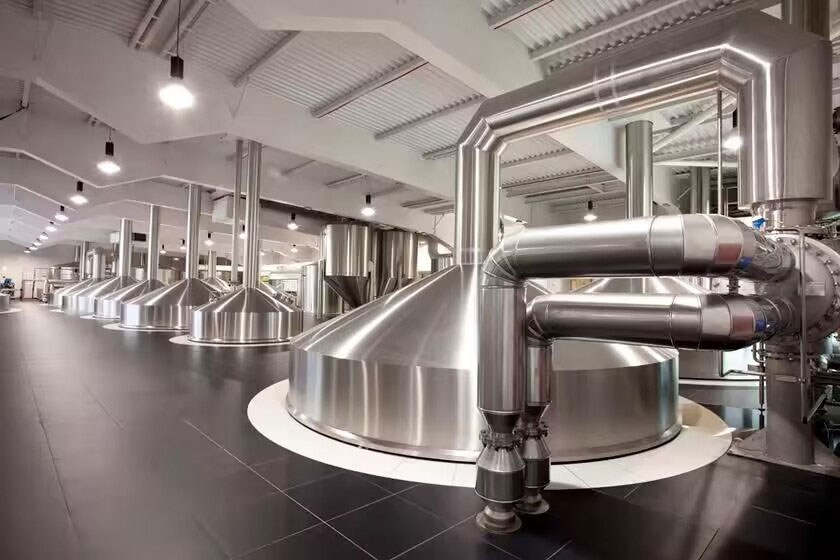

Juice is one of the world’s most popular refreshing beverages. Drinks like orange, apple, mango, and coconut juice are favored not only for their natural sweetness but also for their rich content of vitamins, minerals, and antioxidants. However, transforming fresh fruit into safe, delicious, and long-shelf-life bottled juice requires strict control over the production process. From raw material selection to final bottling, every step must adhere to stringent food safety standards and processing regulations. TianTai will share the complete juice production process from raw materials to finished product.
1. Fruit Sorting and Cleaning
High-quality raw materials are the foundation of high-quality juice. Producers typically select fresh, moderately ripe, and undamaged fruit to ensure optimal flavor, aroma, and nutritional value. Overripe, rotten, or physically damaged fruit is discarded before processing.
After sorting, the fruit undergoes thorough cleaning using spray washing machines or bubble washing machines. These systems effectively remove dirt, dust, and pesticide residues from the fruit surface. This ensures that the fruit entering the production line meets stringent hygiene and safety standards.
2. Peeling and Pitting
Depending on the type of fruit, additional pretreatment steps may be required before juicing:
Processing equipment can perform the following operations:
Peeling (for fruits such as oranges, mangoes, or peaches)
Pitting (for fruits such as peaches, cherries, or plums)
Pitting (for fruits such as apples or guavas)
These steps ensure that the fruit entering the juicing stage is clean, hygienic, and of consistent quality, while preventing undesirable flavors or textures in the final juice.
3. Crushing and Juicing
After washing and pretreatment, the fruit must be processed to extract juice. First, the fruit is crushed into a pulp using crushing or pulping equipment. This process breaks down the fruit’s structure, releasing the juice contained within the cells. Next, the pulp is fed into juicing or pressing equipment, where pressure is applied to separate the liquid juice from the solid pulp, yielding the initial raw juice.
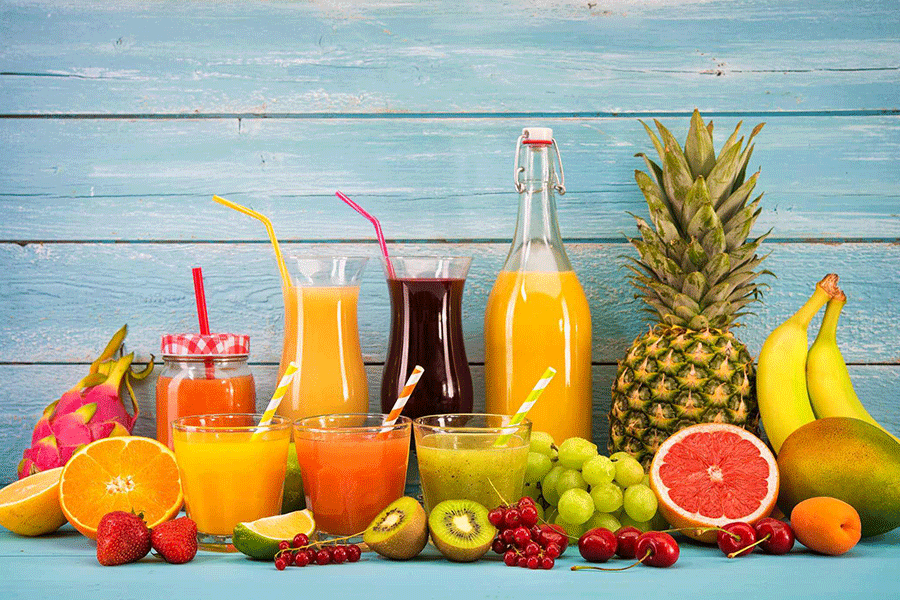
4. Filtration and Clarification
Freshly squeezed juice typically contains suspended matter, such as pulp particles, fiber, and natural colloids.
These substances can make the juice appear cloudy or unstable. To improve the appearance and texture of fruit juice, filtration and clarification are necessary. Filtration equipment removes larger solid particles and impurities. For further clarification, methods such as natural sedimentation, enzymatic clarification using pectinase, and clarifying agents can be employed to help remove colloidal substances and sediments, resulting in a clearer and more stable fruit juice product.
5. Blending
Blending is a crucial step in fruit juice production, used to achieve the desired flavor and nutritional composition. Common blending operations include: adding sugar to adjust sweetness, adding acidity regulators to balance flavor, adding vitamins or nutrients to fortify nutrition, and adding stabilizers to improve product stability. All ingredients must comply with food safety regulations and quality standards.
6. Sterilization
To ensure food safety and extend shelf life, fruit juice must undergo sterilization. Pasteurization is one of the most commonly used methods in fruit juice processing. In this process, the juice is heated to approximately 85°C to 95°C and held at that temperature for several seconds. This heat treatment effectively kills harmful microorganisms such as bacteria, yeast, and mold, minimizing the loss of nutrients, color, and natural flavor, ensuring the juice is safe and delicious.
7. Filling and Packaging
After sterilization, the juice is transported to the filling system. In a clean or sterile environment, the juice is precisely filled into pre-prepared containers, such as glass bottles, PET plastic bottles, and cardboard boxes, and then sealed to prevent contamination and maintain product quality. After packaging, the finished juice is sent to the finished product warehouse for controlled storage before distribution.
Every step in the entire process from fresh fruit to finished juice plays a crucial role in producing high-quality juice products. Tiantai provides professional juice processing solutions and complete juice production lines. If you are planning to build or upgrade your juice plant, please contact Tiantai for more information and customized solutions.