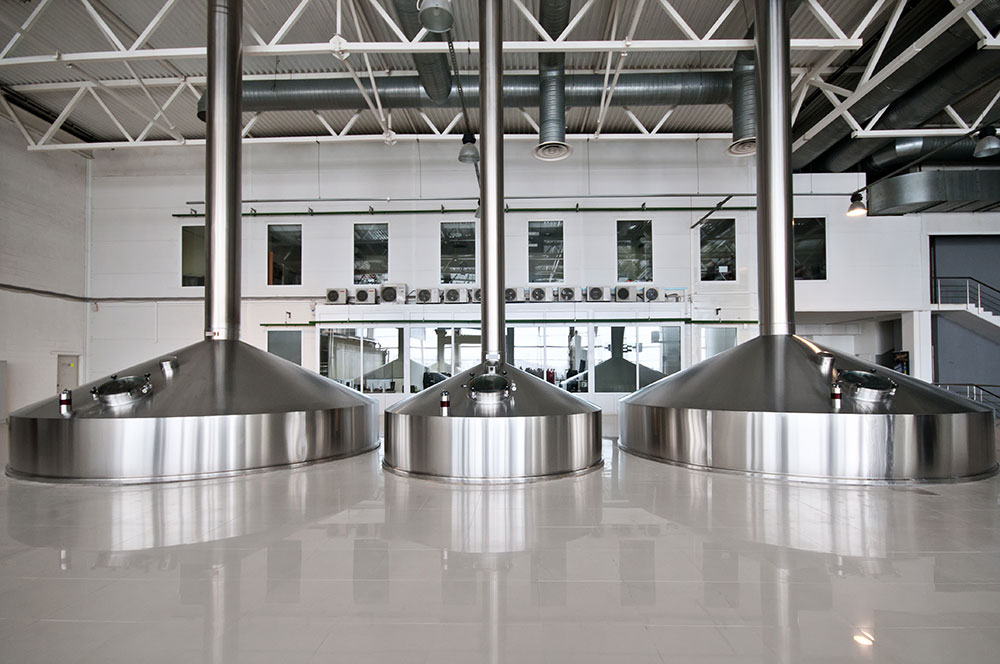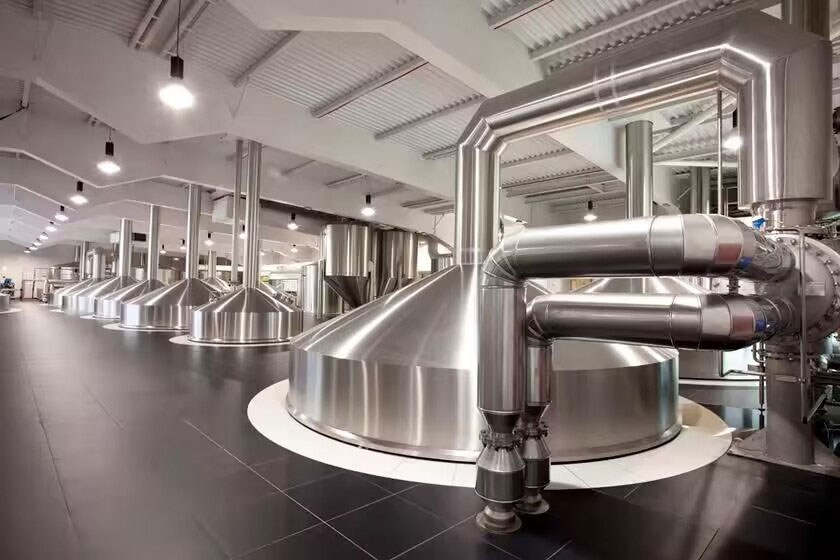

Running a brewery where the temperature rarely drops below 25°C comes with its own set of headaches. Whether you’re building a new facility in Lagos or expanding operations in Ho Chi Minh City, the heat isn’t just uncomfortable—it affects your beer, your equipment, and your bottom line. Here’s what actually works in the real world.
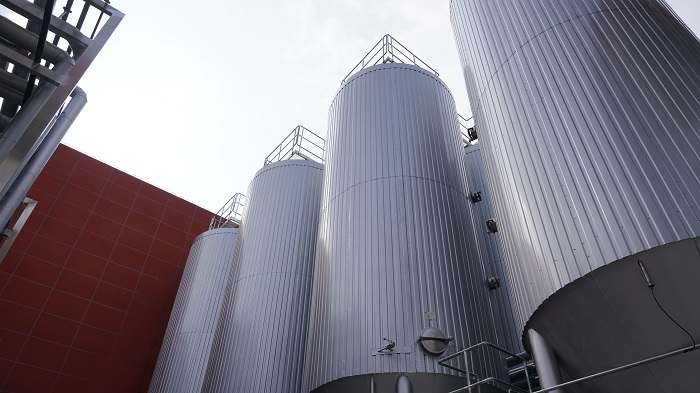
Why Hot Weather Hits Breweries Harder Than You Think
Most brewing textbooks assume you’re operating in Munich or Milwaukee. They don’t tell you what happens when your ambient temperature hits 35°C and stays there for months.
The fermentation problem:
Yeast generates heat as it works. In a hot room, your fermentation temperature can easily drift 5-8°C above your target. That doesn’t just speed things up—it changes the chemistry. You get more fusel alcohols (harsh, solvent-like flavors) and unwanted esters that throw off your flavor profile . One batch ruined because of temperature drift can cost you $15,000-40,000 in lost product and ingredient waste.
The humidity factor:
It’s not just the heat. High humidity creates condensation on cold tanks, slippery floors, and mold problems that can shut down production . In coastal areas, you add salt air corrosion to the mix .
The power reality:
When the grid flickers and your cooling stops, you’ve got maybe 2-4 hours before you start losing batches. In many fast-growing markets, power stability remains a real operational challenge.
The good news? With the right setup and maintenance habits, you can brew excellent beer anywhere. Here’s how.
Your Cooling System: Size It Right, Then Size It Up
The biggest mistake we see in tropical brewery installations? Undersized glycol systems. A chiller that works fine in Belgium will struggle in Bangkok.
The 130% rule: Size your glycol capacity at 130-150% of what the calculation says you need. The math assumes ideal conditions. You’re not operating in ideal conditions.
What you actually need:
- Redundancy: Two smaller chillers beat one big one. When one needs maintenance, you’re still brewing.
- Buffer tanks: Install insulated glycol storage holding at least 2 hours of capacity. This smooths out compressor cycling and buys you time during power transitions.
- Proper glycol mix: 35-40% propylene glycol concentration gives you the best heat transfer in tropical ambient temperatures. Don’t skimp here.
Daily habits that save money: Check your suction and discharge pressures every morning. Log them. When you see the numbers drifting over weeks, you’re catching problems before they become emergencies. Weekly glycol pH checks prevent the slow degradation that kills system efficiency.
Fermentation Tanks: Your Thermal Battleground
The fermentation cellar is where you win or lose. In hot climates, standard tank specs often aren’t enough.
Insulation matters more than you think: Upgrade to R-30 insulation minimum (that’s about 5 inches of polyurethane). In really hot areas, go to R-35 for bright beer tanks. The extra cost pays back in energy savings within 18 months.
Glycol jackets: Full coverage isn’t optional in the tropics. Partial jackets create temperature gradients that stress yeast and create inconsistent flavor development. You want turbulent flow at 1.5 m/s minimum through those jackets.
Sensor strategy: One temperature probe per tank is asking for trouble. Install redundant RTD sensors at different heights. Fermentation creates thermal stratification—hot spots at the top can be 3-4°C warmer than the bottom in a tall tank.
Real-world example: Nigeria’s beer market is expanding rapidly, with per capita consumption growing and modern retail channels developing . New facilities in Lagos or Port Harcourt face ambient temperatures of 28-35°C year-round with humidity pushing 80%. The breweries that thrive there invest heavily in thermal infrastructure upfront rather than trying to fix problems later.
When the Lights Go Out: Backup Power That Actually Works
Power interruptions in hot climates aren’t “if”—they’re “when.” Your backup strategy needs layers.
The four-hour rule: You need enough backup capacity to maintain cooling for at least 4 hours. That’s typically longer than most outages, but it covers you during the transition back to grid power when voltage can fluctuate.
What works:
- Automatic transfer switch (ATS): 4-second maximum transition time. Longer than that and you’re risking temperature spikes.
- Right-sized generator: 150% of your cooling load, not 100%. You need headroom for startup surges.
- UPS for controls: 30-minute minimum for your PLC and monitoring systems. This lets you shut down safely if the outage extends beyond generator capacity.
The maintenance nobody does: Test your automatic transfer switch monthly. Most breweries don’t discover theirs failed until the real outage hits. Fuel management matters too—diesel degrades, and stale fuel kills generators when you need them most.
Humidity: The Hidden Problem
You can’t see humidity problems coming until they’re expensive. Condensation on cold tanks leads to corrosion. Wet floors lead to safety incidents. Mold in your cold room leads to health inspections and production stops .
The 65% solution:
Keep relative humidity below 65% at 20°C and you eliminate condensation problems . In practice, that means desiccant dehumidifiers in your fermentation and packaging areas, not just air conditioning.
Where to focus:
- Fermentation rooms: High humidity affects yeast performance and creates condensation on tank exteriors
- Packaging lines: Wet bottles don’t label properly. Wet cans corrode faster.
- Cold storage: Ice buildup on evaporators kills efficiency and creates maintenance nightmares
A Dutch brewery recently faced 97% relative humidity in their cold storage—essentially raining inside the room. Installing a desiccant dehumidifier brought it down to 45% within days, eliminating mold and ice problems .
Water: Too Hot, Too Cold, Just Right
In the tropics, your incoming water temperature might be 28-30°C. That’s too warm for effective heat exchange and way too warm for CIP cycles that need hot water.
Pre-cooling loops: Run your incoming water through a plate heat exchanger using glycol to drop it to 12-15°C before it hits your process. This seems like overkill until you calculate how much faster you can knock out your wort and how much less ice you need.
Heat recovery: Capture the heat from wort cooling and use it to preheat your CIP water. A well-designed heat recovery system can cut your steam demand by 15-20%.
Closed-loop cooling towers: Open towers in tropical humidity create scale and maintenance headaches. Closed-loop glycol systems with evaporative cooling give you consistent temperatures without the chemistry problems.
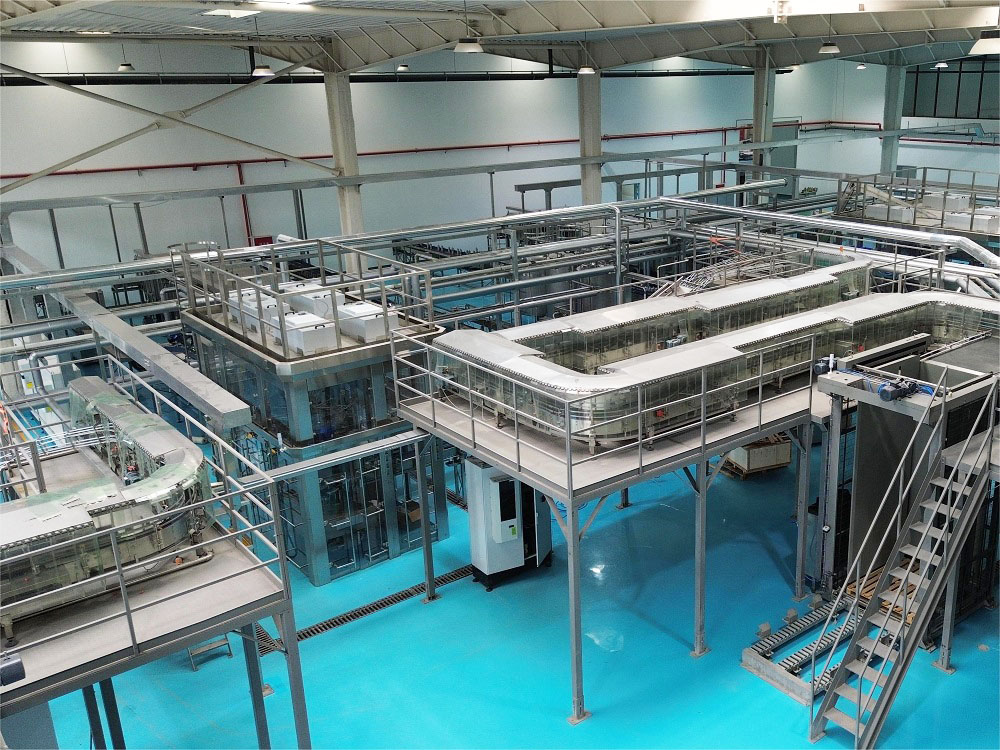
Packaging: The Final Thermal Checkpoint
You’ve protected your beer through fermentation, aging, and storage. Don’t lose it at the packaging line.
The condensation battle:
Packaging cold beer into warm, humid air creates instant condensation. Wet cans don’t label well. Wet bottles slip in the filler. Cardboard packaging falls apart .
What works:
- Climate-controlled packaging hall: 18-20°C with 60-65% relative humidity. Yes, it’s energy-intensive. It’s cheaper than rejected product.
- Tunnel pasteurizers: If you’re pasteurizing, your spray water temperature matters more than you think. Too hot and you cook the flavor out of your beer.
- DO control: High temperatures increase oxygen pickup during filling. Continuous dissolved oxygen monitoring with automatic line stops above 50 ppb protects your shelf life.
A Maintenance Schedule That Actually Gets Done
Complicated maintenance programs fail. Simple ones get done. Here’s what works in busy production environments:
Daily (15 minutes):
- Log all tank temperatures
- Check glycol system pressures
- Walk the floor looking for leaks, condensation, or unusual noises
- Verify backup power system status
Weekly (1 hour):
- Inspect pump seals and valve packing
- Check cold room door seals
- Verify CIP chemical concentrations
- Clean sensor pockets
Monthly (half day):
- Calibrate temperature sensors against a reference
- Torque electrical connections (vibration loosens them over time)
- Check compressor amp draw (rising current indicates problems)
- Analyze boiler water chemistry
Quarterly:
- Inspect heat exchanger gaskets
- Service yeast propagation equipment
- Replace packaging line wear parts before they fail
Annually:
- Professional chiller service including compressor analysis
- Pressure vessel inspections
- Full PLC backup and software updates
Nigeria: Why This Matters Now
Nigeria represents exactly why hot-climate brewing expertise is critical. The market is growing—per capita beer consumption is rising and modern trade channels are expanding . But operating conditions are challenging: unreliable grid power in many areas, high ambient temperatures, and humidity that creates constant moisture management issues.
Breweries building there now are making decisions that will affect their operations for 20 years. Cutting corners on thermal infrastructure to save 10% on capital costs typically increases operating costs by 25-30% over the equipment lifecycle. Worse, it creates quality inconsistency that damages brand reputation in a competitive market.
The same principles apply across Southeast Asia, Latin America, and other tropical growth markets. The breweries that get the thermal fundamentals right will capture market share. Those that don’t will struggle with consistency and costs.
The Bottom Line
Brewing in hot climates isn’t harder—it’s different. The equipment specs change. The maintenance priorities change. The economics change.
Get the thermal design right from day one. Size your cooling for the worst day, not the average day. Build in redundancy. Plan for power instability. Control humidity like you control temperature.
Do this and you’ll produce consistent, quality beer that competes with anything coming out of traditional brewing regions. Skip it and you’ll spend your first few years fighting problems that should have been engineered out from the start.
About Tiantai: We build commercial brewing equipment for demanding environments. Our tropical climate systems include oversized cooling capacity, corrosion-resistant materials for coastal installations, and automation platforms designed for markets with variable power quality. From brewhouse to packaging line, we help breweries operate reliably anywhere in the world.