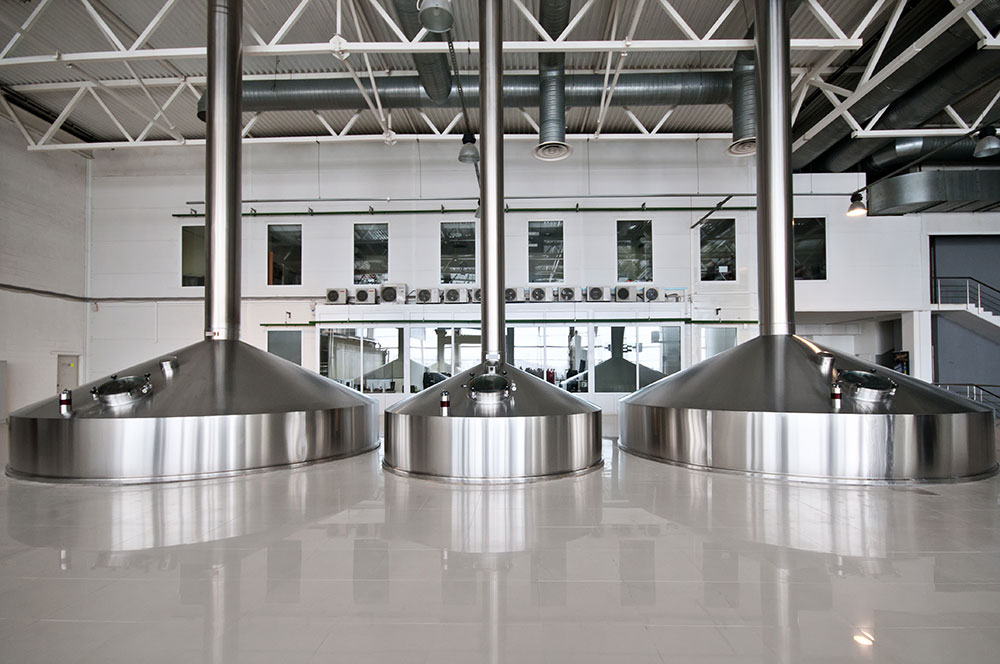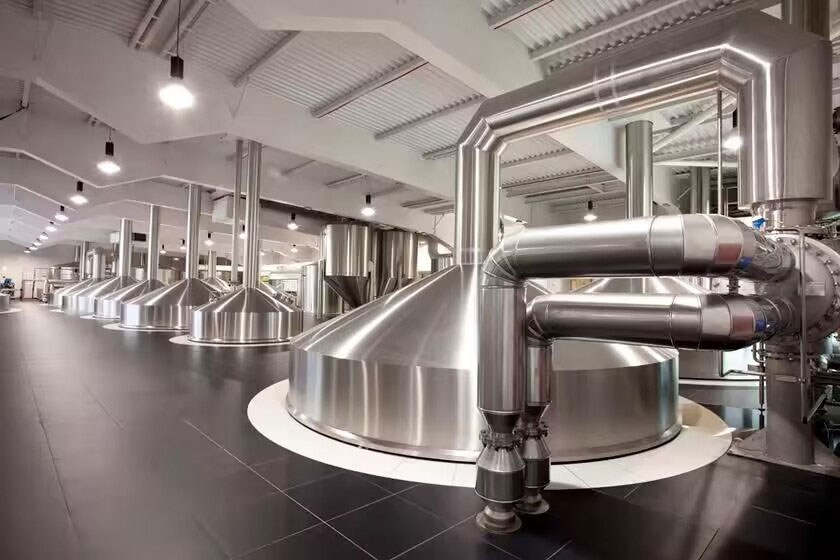

In large-scale breweries, malt is one of the core raw materials that must be stored under ideal conditions to maintain its quality and freshness. Malt silos play a crucial role in ensuring the quality of malt, minimizing waste, and maintaining the stability of raw materials. With advanced design and technology, these storage systems provide reliable support for brewing production.
Key Features
Shape: Round or Square
Material: Stainless Steel or Galvanized Steel
Surface Design: Smooth or Curved
Capacity: Up to 9,000 cubic meters (approximately 5,000 tons)
Application: Large Breweries
Silo Design and Functionality
The primary function of a malt silo is to ensure that malt remains in optimal condition throughout its storage. Silo designs aim to optimize the storage environment, preventing fluctuations in temperature and humidity, which can otherwise impact malt quality and shelf life.
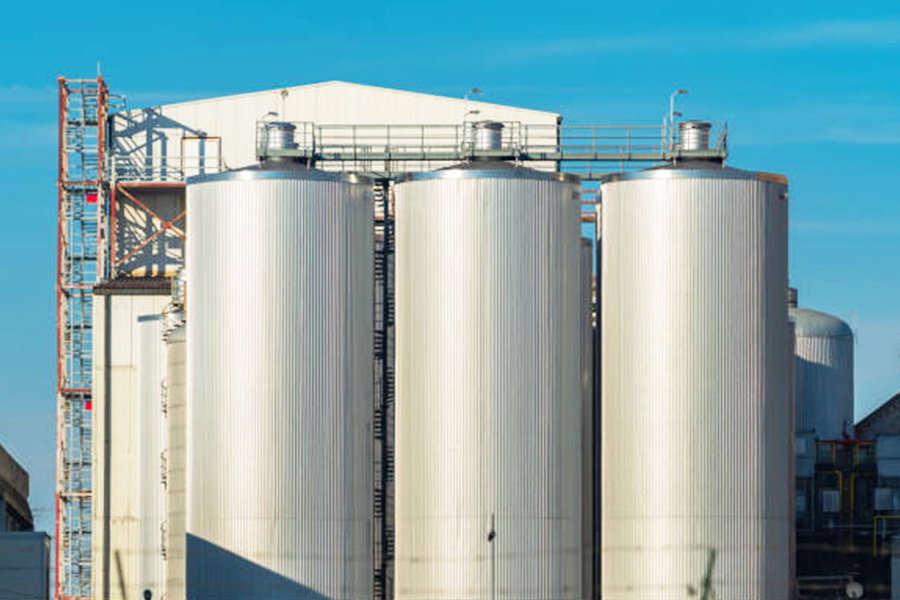
Round silos are commonly used in large-scale storage because of their space-saving design and scalability. They are typically constructed with galvanized steel to enhance corrosion resistance and withstand external environmental conditions. The spiral-wound structure strengthens the silo’s integrity, while the hopper design utilizes gravity discharge for easy access to the malt. For specific needs, flat-bottom silos and double-walled silos can provide greater capacity and superior temperature control, ensuring stable malt quality in cold climates or in environments where temperature control is critical.
Materials and Hygienic Design
Malt silos are usually made from stainless steel or galvanized steel, both of which offer excellent corrosion resistance and meet the stringent hygiene standards of the brewing industry. The smooth or curved surface design minimizes the accumulation of dust, moisture, and contaminants, ensuring a clean storage environment that complies with high sanitary standards in brewing processes.
Temperature and Humidity Control
Modern malt silos are equipped with temperature and humidity control technologies. Built-in sensors continuously monitor the storage environment, adjusting temperature and humidity to prevent the malt from being affected by external factors. This control helps to avoid mold, spoilage, or other quality issues, thereby ensuring the long-term stability and quality of the malt.
Automation and Efficiency
To improve operational efficiency, malt silos can be configured with automated systems for filling, unloading, and transporting malt. Automation reduces human intervention, lowers the risk of contamination, and enhances production precision and efficiency. Additionally, automated systems provide valuable data that aids in inventory management and production planning optimization.
Capacity and Flexibility
Malt silos come in various sizes to meet different production requirements. They can hold up to 9,000 cubic meters (about 5,000 tons) of malt, making them ideal for large breweries. Smaller or medium-sized breweries can select silos with a more appropriate capacity based on their specific needs. The flexible design of these silos allows for customization, including options for gravity discharge or more complex unloading mechanisms to optimize workflow.
Safety and Maintenance
To ensure safety and hygiene during storage, malt silos are designed with easy access points for inspection and maintenance. These features facilitate regular cleaning and upkeep, ensuring the system operates efficiently over the long term. The silo’s structure also prevents the growth of mold and pests, protecting the stored malt from contamination.
Choosing the right malt storage system is essential for ensuring the efficiency and quality of production in breweries. By selecting appropriate silo shapes, materials, temperature and humidity control systems, and automation options, brewers can reduce raw material waste, maintain consistent malt quality, and ensure the final product’s high standards. A well-designed malt storage system is key to maintaining product integrity and optimizing the brewing process.