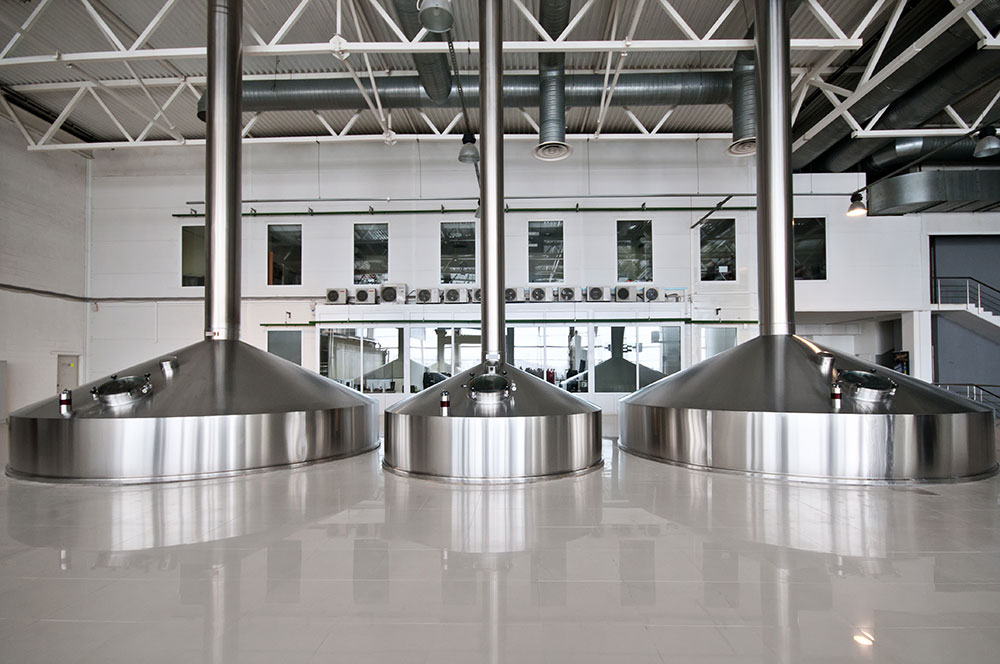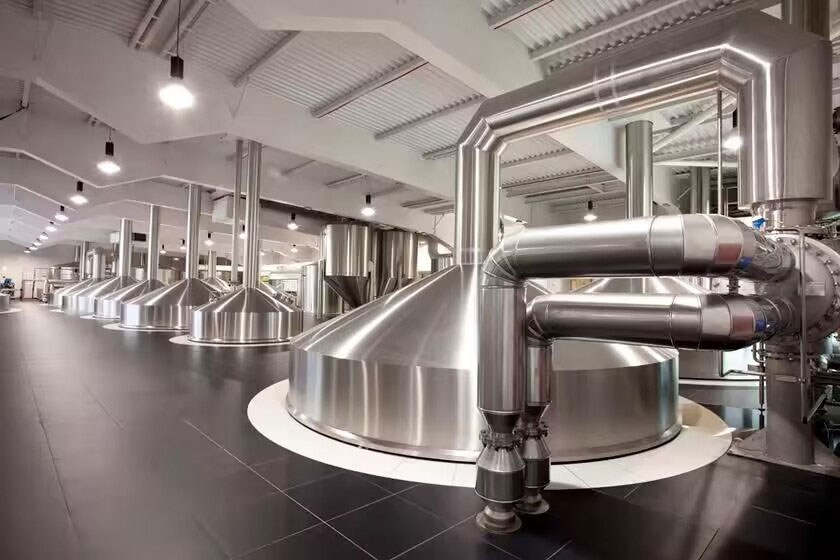

Amidst the rapid growth of the craft beer industry, many practitioners are trapped in a vicious cycle: the harder they brew, the more inventory piles up. Warehouses overflow with meticulously crafted beer, while expensive marketing efforts struggle to boost sales. Many blame this problem on “market saturation” and “consumer ignorance,” but the truth is more profound than imagined: the craft beer market has already entered a new phase of “reconstructing business logic.” For entrepreneurs and brewery owners hoping to break through, clarifying the underlying logic is crucial for truly reaching consumers with quality products. Stable brewing equipment is the core support for implementing marketing strategies.
I. The core dilemma of craft breweries: It’s not that the beer is bad, but that the logic is wrong
Walking into the warehouses of many craft breweries, overflowing shelves of barrels stand in stark contrast to the sluggish order flow. Owners are perplexed, wondering, “Our beer’s alcohol content and bitterness levels meet standards, sometimes even surpassing those of competitors, so why isn’t it selling?” This isn’t an isolated case. Industry data indicate that by 2024, nearly 40% of small and medium-sized craft breweries will face inventory turnover challenges, and 80% of these operators still view improving beer quality as their primary solution.
The root of the problem lies in a misunderstanding of the “craft beer consumption logic”: Modern consumers no longer choose craft beer simply for a “higher bitterness, stronger flavor” but rather for a “lifestyle experience”—whether it’s to relax after getting off work, spice up a date, or connect with friends at a camping party. It can be seen that scene requirements are an essential part of the operation of craft breweries.
II. Key to Breaking the Game: Reconstructing the Three Underlying Logics of Craft Beer
Mind capture: scenario first, brand second
Brand recognition in the craft beer industry isn’t built by repeatedly insisting “I’m brand XX.” Instead, it’s built through “situational association” to create a conditioned reflex in consumers. For example, the word “camping” brings to mind a portable craft beer in a can, and the word “late-night drink” brings to mind a fruity wheat beer. This “situation = product” connection is far more effective than blunt branding.
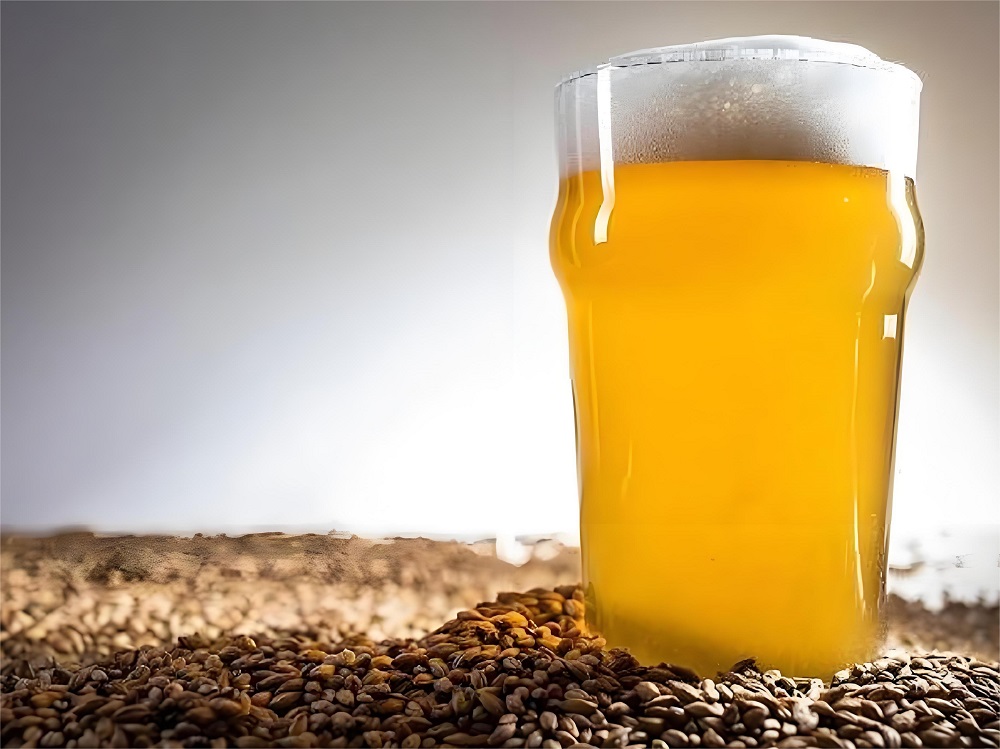
Many breweries make the mistake of “building the brand first, then finding the scene”: they invest heavily in logo design and promotional videos without clearly defining the core scene for their products, ultimately wasting their marketing dollars. The truly effective approach is to first identify one or two core scenes (such as “getting tipsy at home” and “socializing with girlfriends”), then design product formats around these scenes (such as 330ml small bottles and low-alcohol, fruity flavors), and finally reach consumers through contextualized content (such as short videos about getting tipsy at home and check-in events for girlfriends’ gatherings). Once scene recognition is established, the brand will naturally be remembered.
Channel layout: precise focus, avoid casting a wide net
The idea that “more channels equals higher sales” is a common misconception in the craft beer industry. Many breweries blindly follow their peers’ e-commerce efforts, entering nightclubs and supermarkets. This not only distracts their efforts but also leads to extremely low sales due to a mismatch between channels and product scenarios. For example, craft beers marketed primarily for camping experiences fall far short of expectations when introduced to supermarkets due to a lack of context for these scenarios. Similarly, products marketed as “high-end nighttime drinks” experience a significant loss in taste due to logistics time constraints on e-commerce platforms.
An effective channel strategy relies on a strong “scenarios-channels” integration. If the core scenario is “outdoor camping,” then focus on collaborations with outdoor gear stores, group buying in camping communities, and endorsements from camping bloggers on Xiaohongshu (Little Red Book). If the focus is on the “offline bistro scene,” then partner with boutique bistros in cities to launch exclusive products, rather than blindly entering supermarkets. Data shows that targeted channels with strong scenario alignment achieve conversion rates 3-5 times higher than a “broad-based” approach and effectively reduce the risk of inventory overstock.
The key to repeat purchases: replacing ingredient lecturing with stories and experiences
The repurchase rate of craft beer is directly related to “unforgettable moments”: the ritual of opening the bottle, a fascinating brand story, and even a touching quote on the bottle can all impress consumers.
III. From marketing to implementation: good equipment is the only guarantee of “good products”
Once we understand the marketing logic of “scenario-channel-experience,” we must return to a core premise: the implementation of all strategies relies on stable, high-quality product output. Craft beer brewing equipment is crucial to product stability. After all, even the most precise scenario targeting and efficient channel layout will ultimately lose consumer trust if the beer’s flavor is unstable and batches vary widely.
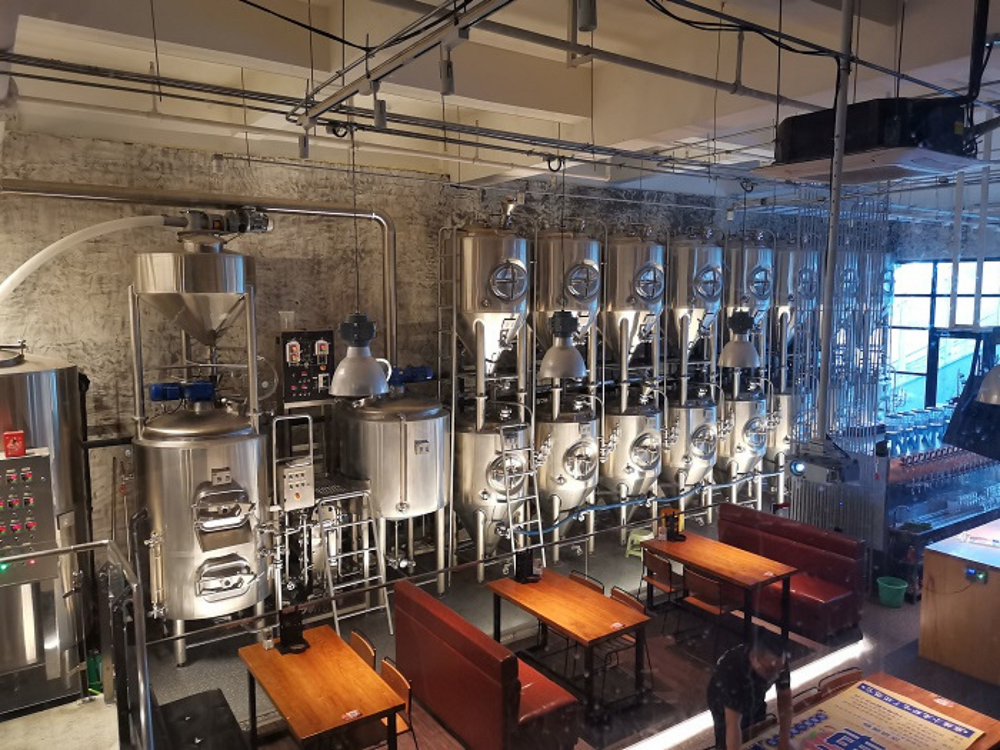
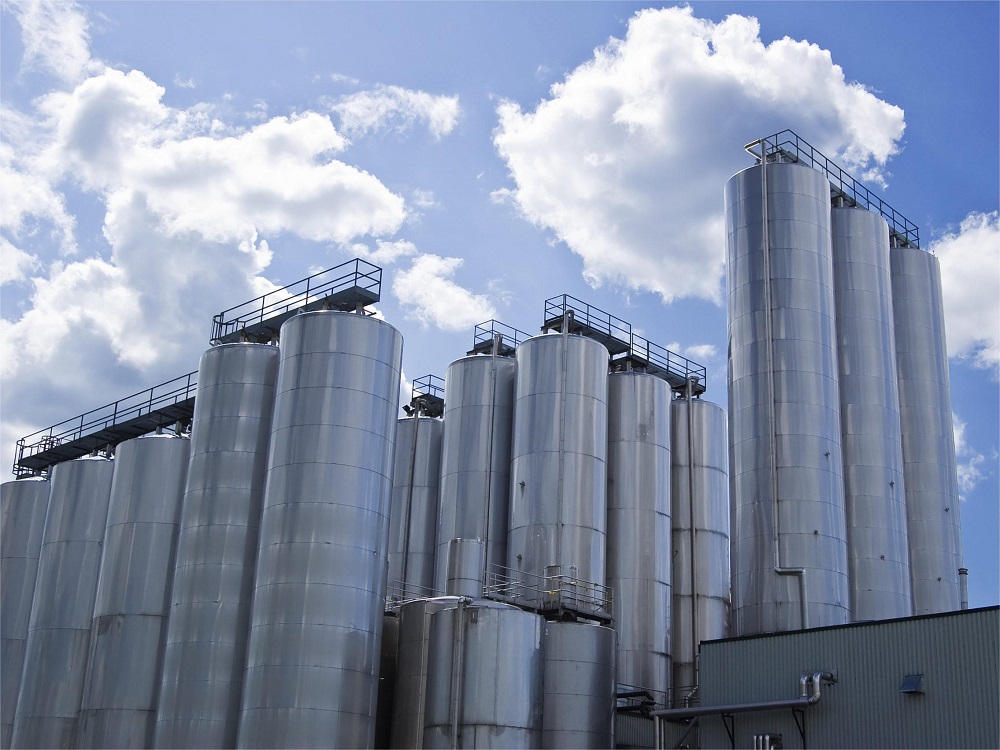
For craft breweries, “brewing equipment selection” isn’t as simple as purchasing a set of machines. It requires choosing the right brewing equipment based on their product positioning and production capacity requirements. For example, breweries specializing in small batches of specialty beers require highly flexible mashroom equipment; brands focusing on “fruit-flavored craft beers” require higher temperature control precision in their fermentation tanks; and manufacturers of canned products also need to focus on the clarification performance of filtration equipment. Therefore, “capacity” is the core anchor for equipment configuration. Different production capacities result in significantly different equipment specifications, combination logic, and cost investment. Blindly pursuing “large equipment” or “low-cost, small equipment” can lead to low production efficiency, poor product stability, and even hinder future development. For mainstream production capacity scenarios, such as craft breweries, small and medium-sized craft breweries, and large-scale craft breweries, beer equipment manufacturers will provide tailored equipment configuration solutions to precisely meet your needs.

If you require more precise equipment selection advice (such as a list of equipment for a specific production capacity and a cost budget), Tiantai (https://startbrewery.com/solution/) can provide detailed capacity requirements and product category planning to customize a unique craft brewery brewing plan.