
In the vibrant heart of Africa, where towering palm trees sway under the tropical sun, palm wine—known locally as mnazi in Kenya, emu in Nigeria, or nsámbá in the Congo—has long been more than just a drink. This naturally fermented sap from palm trees like the African oil palm (Elaeis guineensis), raffia palm (Raphia hookeri), and wild date palm (Phoenix reclinata) embodies cultural heritage, social bonding, and even medicinal rituals. Dating back potentially 16,000 years, palm wine predates grape wines and remains a staple in ceremonies from weddings to funerals across West, Central, and East Africa. Yet, its fleeting freshness—fermenting to 4% ABV in just two hours and souring within a day—has kept it confined to local markets, limiting its economic potential in a continent where non-alcoholic beverages alone are projected to hit $124 billion in 2025.
For investors eyeing medium- to large-scale breweries in developing African markets, palm wine represents a golden opportunity. By scaling production with modern palm wine brewery equipment, you can transform this traditional specialty into a sustainable, export-ready product. This guide explores palm wine’s essence, production hurdles, and how Tiantai unlocks its commercial value.
The Allure of Palm Wine: A Cultural and Nutritional Powerhouse
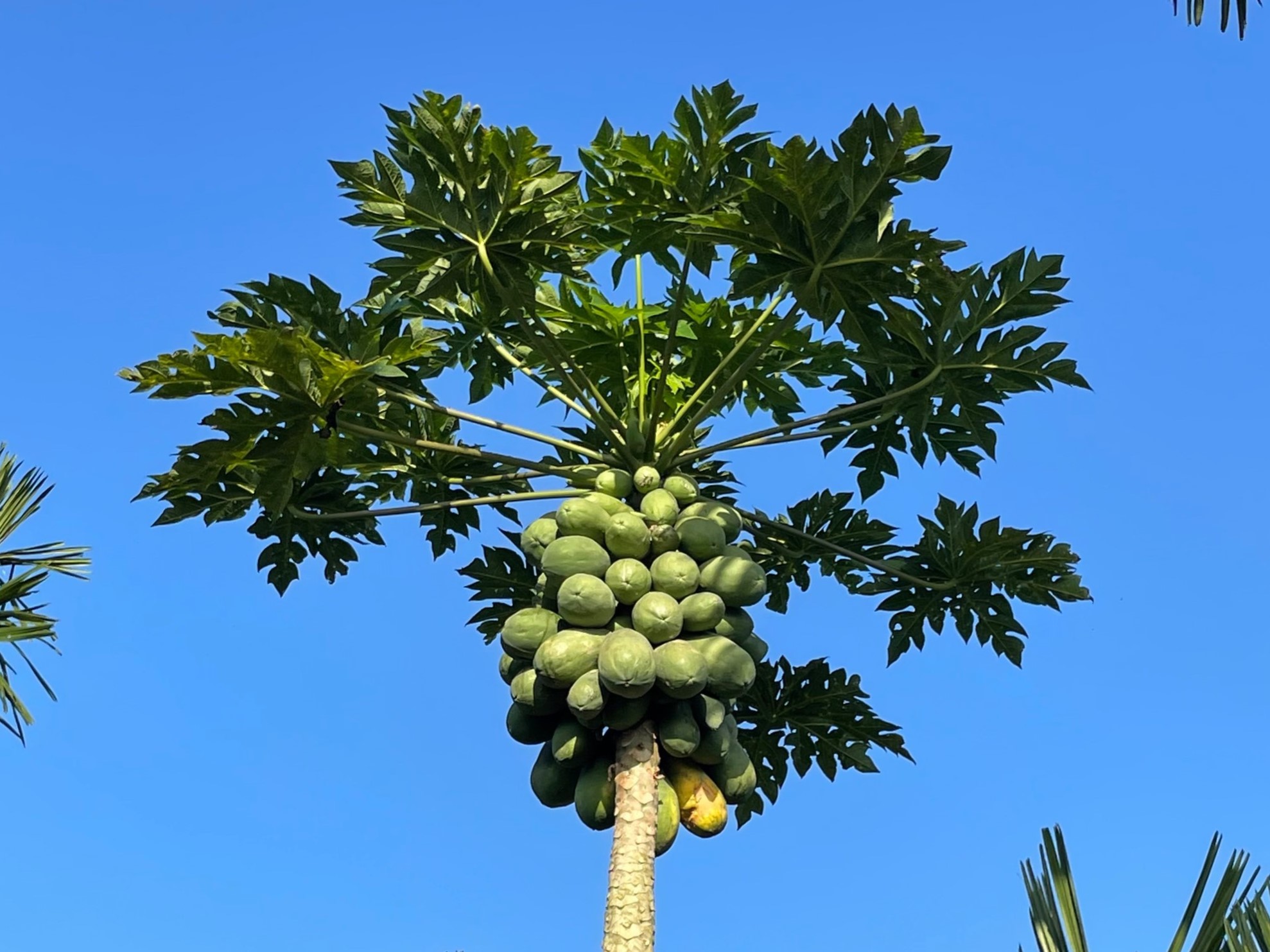
Palm wine starts as a sweet, nutrient-rich sap tapped from palm inflorescences or trunks, rich in vitamins (B1, B2, B3, B6, C), minerals (potassium, magnesium, iron, zinc), and probiotics from natural yeasts and lactic acid bacteria. In Kenya’s coastal regions, coconut palms (Cocos nucifera) dominate, yielding mnazi that’s sweeter when fresh and consumed within hours. In Nigeria and Ghana, emu or akpeteshi (distilled variants) fuels social gatherings, while in Côte d’Ivoire, koutoukou blends medicinal herbs for health tonics.
Its spontaneous fermentation—driven by wild yeasts like Saccharomyces cerevisiae and bacteria such as Zymomonas—creates a mildly effervescent, milky beverage with fruity notes of tropical guava and soursop. Fresh (fresh mnazi) stays sweet at 3-4% ABV; kilalo ferments 24 hours for a sour, potent kick up to 6%. Nutritionally, it supports metabolism, immunity, and gut health, positioning it as a “superfood” alternative to imported beers in health-conscious African markets.
| Regional Names & Key Palms | Cultural Role | ABV Range |
| Mnazi (Kenya: Coconut Palm) | Coastal festivals, daily refreshment | 3-5% |
| Emu (Nigeria/Ghana: Oil Palm) | Weddings, ancestral rites | 4-6% |
| Nsámbá (Congo: Raffia Palm) | Funerals, community bonds | 4-7% |
| Akpeteshi (Ghana: Distilled Oil Palm) | Medicinal infusions, celebrations | Up to 45% (distilled) |
This table highlights palm wine’s diversity, making it ideal for localized brewery branding in Africa.
Traditional vs. Commercial Production: Bridging the Gap
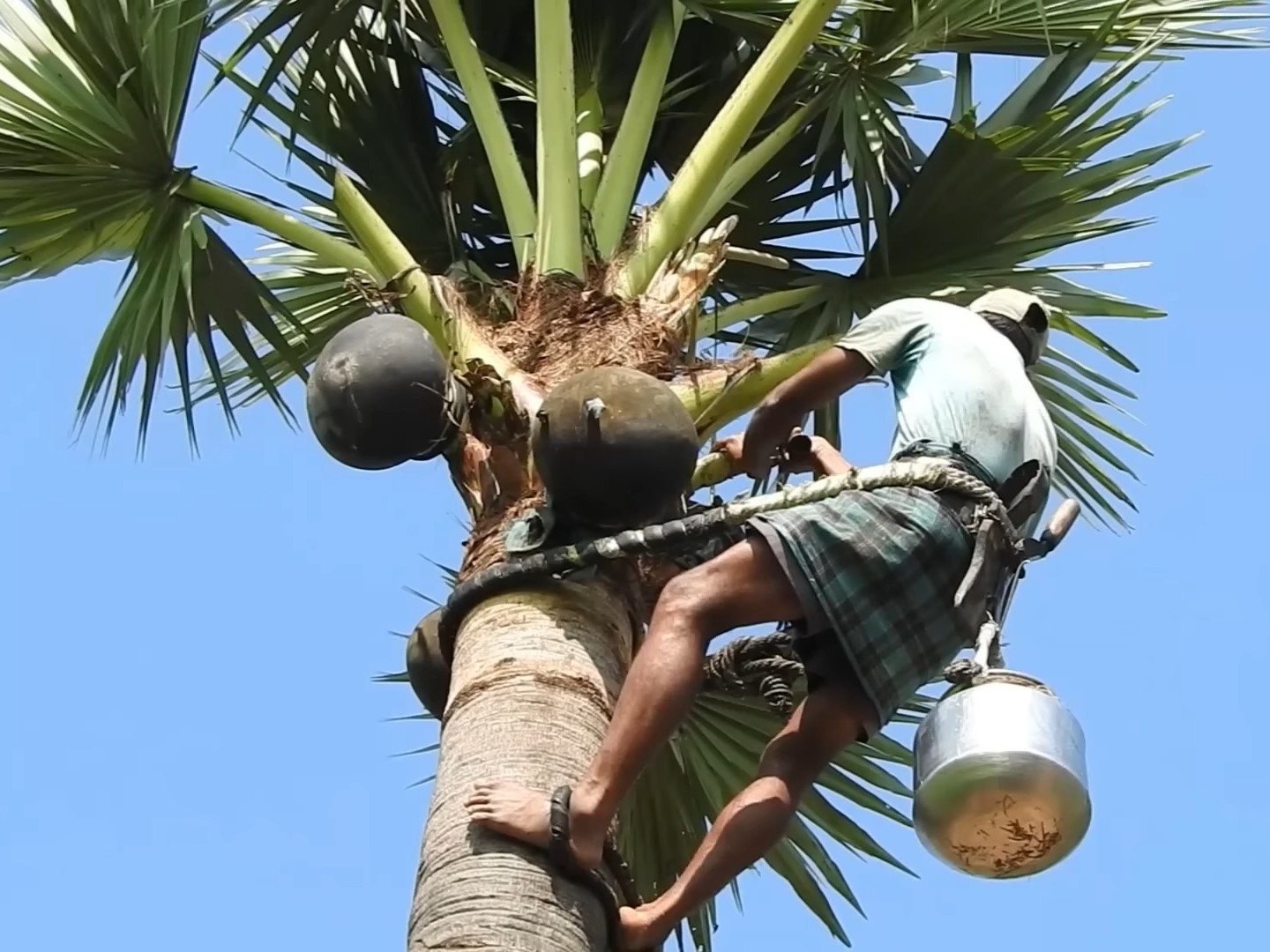
Traditionally, tappers climb 20-30m trees with ropes, slashing inflorescences to collect 1-5L sap per tree daily—a labor-intensive, risky process yielding unpredictable quality due to microbial inconsistencies. But challenges abound: rapid spoilage limits shelf life to hours, destructive tapping threatens endangered species like the Chilean wine palm (though less in Africa), and contamination risks off-flavors or health issues.
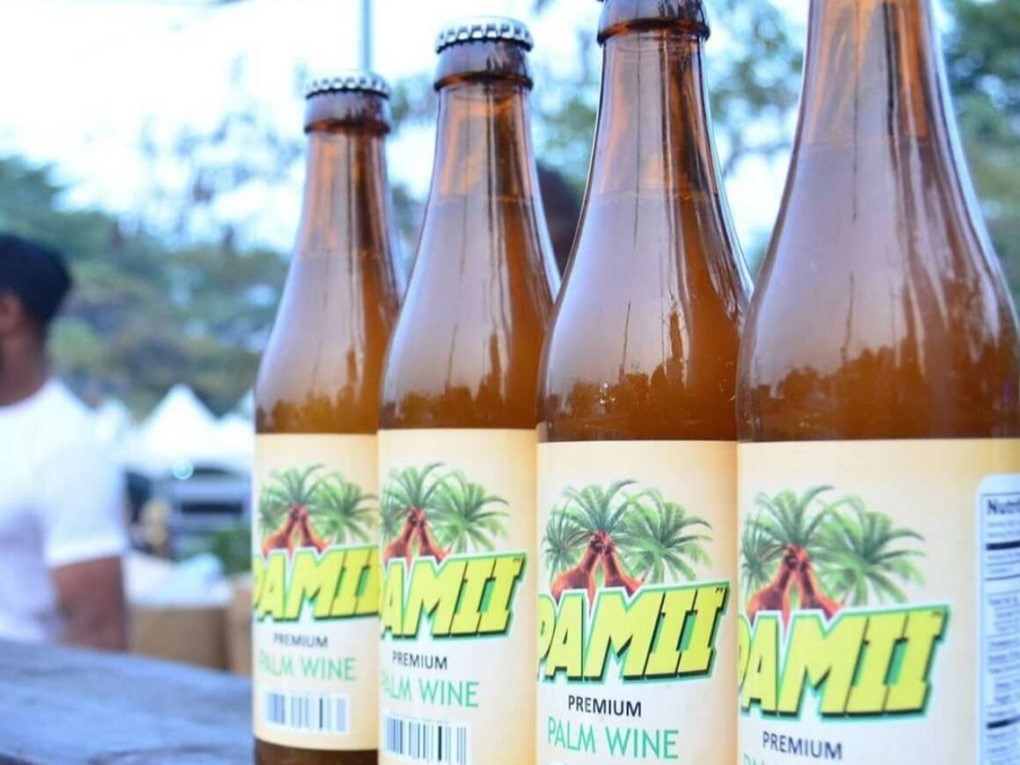
Commercial scaling flips the script. By 2025, Africa’s beverage market growth—driven by urbanization and a rising middle class—offers a $124B non-alcoholic segment alone, with palm wine analogs ripe for expansion. Opportunities include distillation into high-ABV spirits like ogogoro (40-45%) for export, or stabilization via pasteurization for bottled “palm toddy” with 9-12% ABV, mimicking sparkling wines.
How Tiantai Adds Value: Engineered Solutions for Palm Wine Breweries
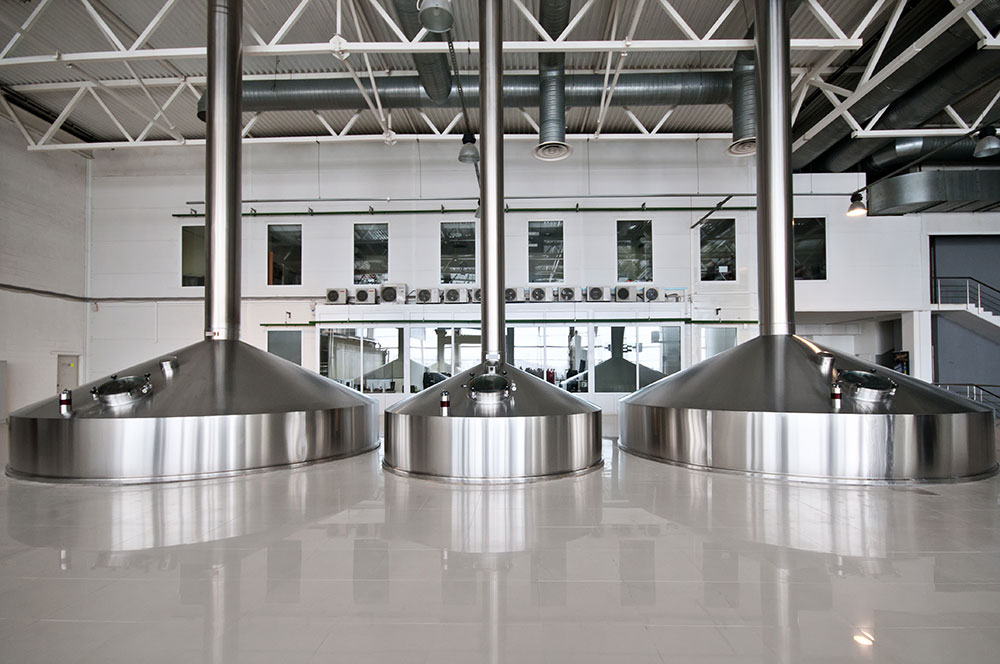
At Tiantai, we engineer medium- to large-scale breweries (100HL-500HL+) optimized for palm sap processing, blending traditional authenticity with industrial efficiency. Our systems address key pain points:
- Sap Collection & Milling: Automated, non-destructive tappers with stainless steel collectors minimize tree damage and contamination, scaling from 50L pilot batches to 5,000L/day. Integrated mills grind additives like local grains for hybrid palm beers.
- Fermentation & Control: Jacket-stainless fermenters (up to 2,000HL) with precise temperature (20-30°C) and pH monitoring halt wild fermentation at peak flavor, extending shelf life to weeks via CO2 sparging. Yeast propagation units culture stable Saccharomyces strains for consistent 4-12% ABV.
- Distillation & Packaging: Multi-column stills distill to arrack-style spirits (40%+ ABV). Our CIP (Clean-in-Place) systems ensure hygiene, reducing spoilage by 90%.
- Sustainability Edge: Solar-powered utilities and water recycling cut costs by 30% in off-grid African sites.
Build Your Palm Wine Brewery Legacy with Tiantai Today
Palm wine isn’t just a drink—it’s Africa’s untapped economic engine, blending heritage with health in a $124B+ market. With Tiantai solutions, you can scale sustainably, from sap to shelf, creating jobs and cultural pride across the continent.
Ready to invest in a medium/large-scale palm wine brewery? Contact us for a free feasibility study tailored to your African site. Let’s ferment the future—together.