
In the vibrant landscape of African beverages, few drinks capture the essence of bold flavor and cultural heritage quite like Stoney Tangawizi. Originating from East Africa, this non-alcoholic ginger beer—known as Stoney Ginger Beer in some markets—has become a staple in countries such as Kenya, Tanzania, and South Africa. There are three main variants available today, including the Original Ginger Beer, Zero Sugar, and Stoney Extra (which offers an intensified ginger kick). Stoney Tangawizi draws its name from the Swahili word for ginger, “tangawizi.” Celebrated for its intense, spicy kick that tingles the throat and invigorates the senses, it provides a caffeine-free, sparkling alternative to traditional sodas.
Process Overview
Producing Stoney Tangawizi Original Ginger Beer requires a precise, multi-stage process that integrates natural ingredient extraction with advanced carbonated beverage engineering to achieve its signature fiery profile and consistent quality. Unlike traditional or artisanal ginger beers that may involve fermentation with yeast or a “ginger bug” (a symbiotic culture of bacteria and yeast) to produce natural carbonation and trace alcohol (typically 0.5-2% ABV), Stoney Tangawizi is formulated as a non-fermented beverage. As a non-alcoholic soft drink, the process emphasizes controlled flavor infusion, mechanical carbonation, and aseptic handling to ensure stability and safety, particularly in high-volume commercial settings. This commercial approach avoids fermentation to maintain zero to negligible alcohol content (<0.5% ABV), ensure batch-to-batch consistency, and enable rapid production scales without the variability and time requirements of microbial processes.
Raw Material Selection and Extraction
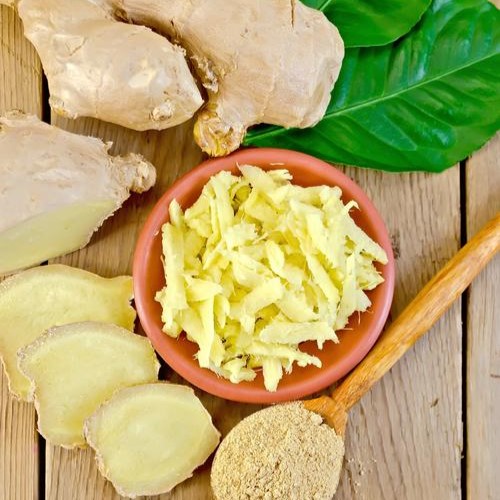
The process commences with raw material selection and extraction. High-quality ginger roots (Zingiber officinale) are sourced, typically from regions like East Africa or Asia, and inspected for freshness and potency. The roots are mechanically peeled using rotary peelers or abrasive systems to remove the outer skin while minimizing waste, then finely ground or chopped to increase surface area. Extraction follows via maceration or infusion: the ground ginger is steeped in hot water (around 80-90°C) for 30-60 minutes to solubilize gingerols and shogaols—the compounds responsible for the spicy heat—or through enzymatic hydrolysis using proteases and cellulases at controlled pH (4.5-5.5) and temperature (45-55°C) to enhance yield without degrading volatile oils. This results in a concentrated ginger extract with a Brix level of 20-30°, which is then filtered through microfiltration membranes (0.2-1.0 μm pore size) to remove particulates and achieve clarity. By skipping fermentation, this step preserves the raw, intense ginger flavor without the mellowing effects or off-notes that can arise from yeast metabolism.
Syrup Base Formulation
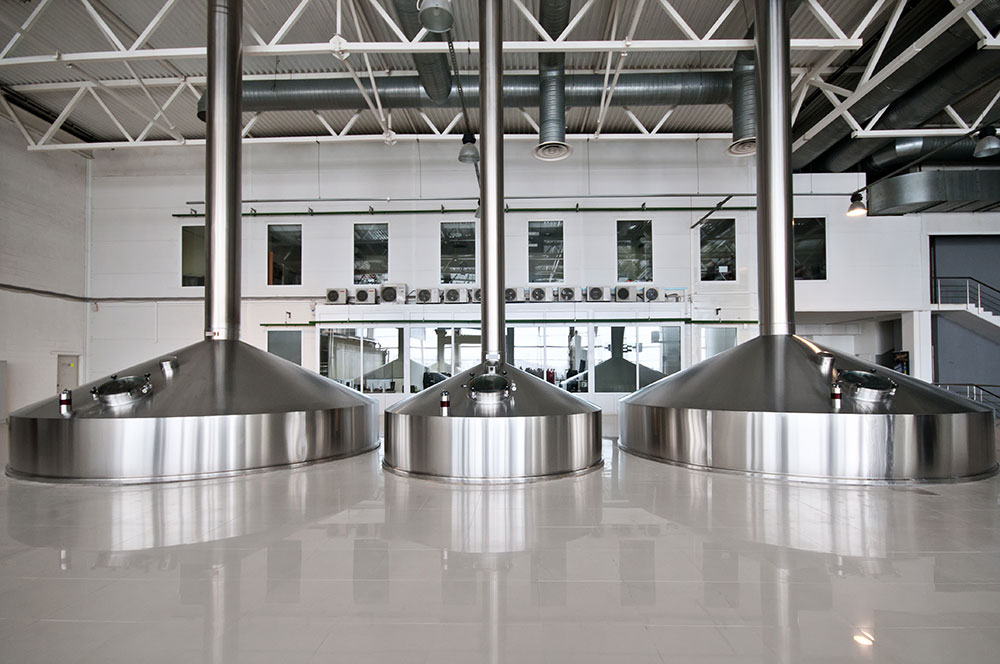
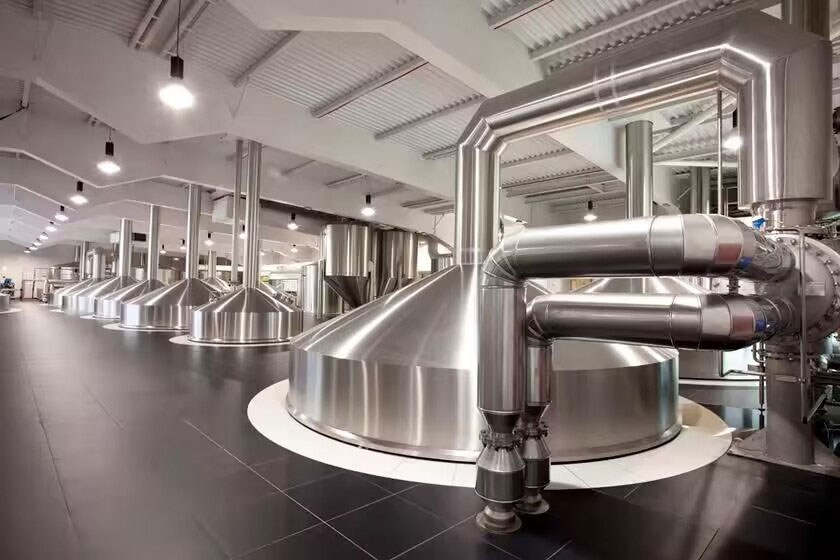
Next, the syrup base is formulated in large-scale mixing vessels. The ginger extract is blended with carbon-filtered water, sucrose or high-fructose corn syrup (targeting 10-12% total sugars for the Original variant), citric acid (0.1-0.3% for pH adjustment to 3.0-3.5, enhancing tanginess and microbial stability), and other additives such as natural flavors, stabilizers (e.g., acacia gum at 0.05-0.1% for emulsion stability), preservatives (sodium benzoate at 0.01-0.05%), and non-nutritive sweeteners if needed for balance. This step demands high-shear mixers operating at 500-1500 RPM to ensure homogeneous dispersion, preventing phase separation in the viscous syrup. Our specialized mixing systems, engineered for commercial breweries in the African market, incorporate variable-speed agitators and inline sensors for real-time monitoring of viscosity (typically 5-10 cP) and refractive index, allowing for precise adjustments even under variable ambient temperatures common in tropical environments.
Carbonation
Following syrup preparation, the mixture is cooled to 4-10°C in plate heat exchangers to preserve flavors and prepare for carbonation.

Carbonation is achieved by injecting food-grade CO2 under pressure (3-5 bar) in a counter-current carbonator, aiming for 3.5-4.5 volumes of CO2 per liter to deliver the effervescent sparkle that amplifies the ginger’s pungency. This mechanical carbonation replaces the natural CO2 production from fermentation, providing greater control over fizz levels and avoiding the need for secondary bottling, fermentation, or conditioning periods that could extend production timelines. Advanced carbonation units, like those we supply, feature automated pressure regulators and mass flow controllers to maintain consistent gas dissolution rates, crucial for avoiding over-carbonation that could lead to foaming issues during filling or under-carbonation that dulls the sensory impact.
Final Filtration and Pasteurization
The carbonated beverage then undergoes final filtration—often through depth filters or sterile-grade membranes (0.45 μm)—and flash pasteurization at 72-75°C for 15-30 seconds in a tubular heat exchanger to eliminate microbial contaminants while retaining heat-sensitive ginger volatiles. In non-fermented processes like this, pasteurization is key to achieving extended shelf life without relying on alcohol’s preservative effects.
Quality assurance is integral, with inline analyzers measuring parameters such as pH, brix (9-11° for the finished product), total acidity (0.2-0.4 g/L as citric acid), and CO2 content, alongside sensory evaluations for the characteristic “kwetsa” (kick).
Bottling and Packaging
Bottling or canning occurs on high-speed lines, where the product is filled into pre-sterilized PET bottles or aluminum cans at rates of 500-2000 units per minute, sealed, and labeled. Tunnel pasteurization (60-65°C for 10-20 minutes) may follow for added shelf life, extending stability to 6-12 months under ambient storage. As a manufacturer focused on scalable equipment for African commercial brewing, our robust stainless-steel systems—from extraction tanks to automated fillers—are designed to handle local supply chain challenges, such as power fluctuations, while optimizing energy efficiency and throughput. These systems also support breweries interested in exploring fermented variants by incorporating modular fermentation tanks, allowing seamless adaptation from non-fermented soft drinks like Stoney Tangawizi to traditional fermented ginger beers. This technical precision ensures every batch delivers the authentic, throat-tingling experience that has made it a regional favorite.
Conclusion
At Tiantai, we design and manufacture integrated brewing and beverage processing systems capable of handling both traditional beer and specialty beverages like ginger beer. Our modular brewhouses, fermentation units, CIP systems, and carbonation lines can be customized for the rheological and microbiological properties of ginger-based liquids, ensuring precise process control and product consistency.
Our engineering team supports every stage — from recipe formulation and pilot trials to process automation, sanitary piping, and quality assurance — helping breweries efficiently transition from concept to full-scale production.
By applying professional brewing technology to a distinctly African product, you can transform Stoney Tangawizi-style ginger beer from a regional specialty into a technically refined, high-value beverage line.