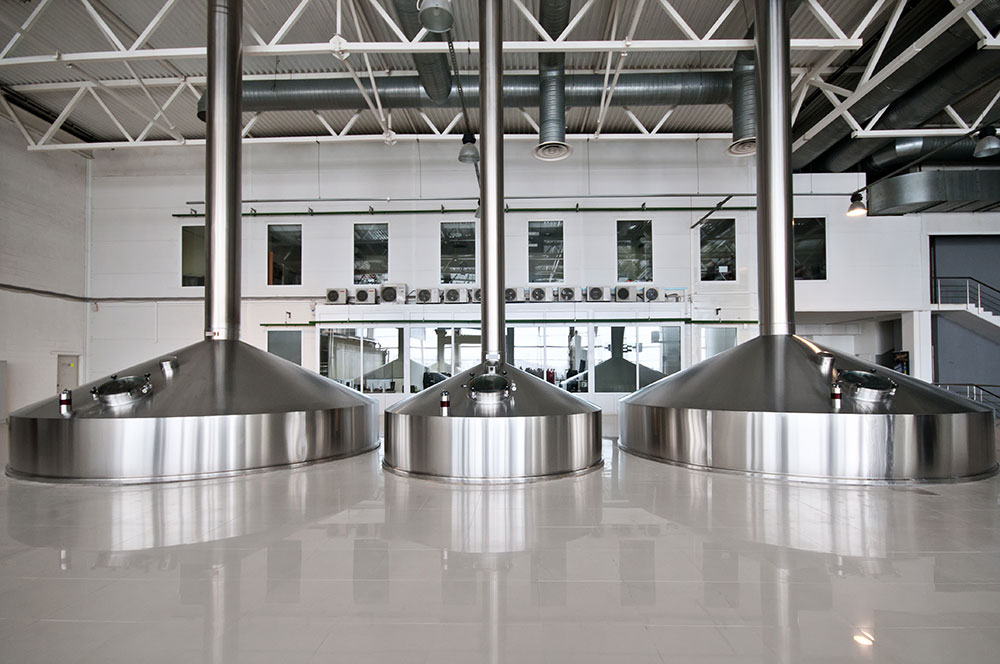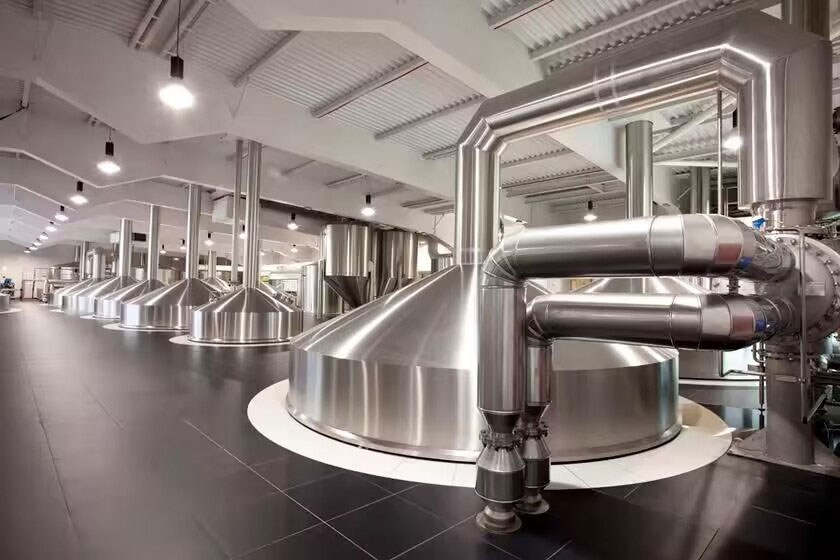

Before establishing a brewery, it is essential to understand several key areas. As consumer demand for high-quality, flavorful, and locally distinctive beers continues to grow, opening a craft brewery presents not only an opportunity fueled by passion for brewing but also significant commercial potential. However, compared to home brewing, commercial beer production requires more meticulous planning, strict regulatory compliance, substantial capital investment, and effective operational management. Drawing from our equipment case studies—breweries in North America and Europe—this overview will guide you through the fundamental knowledge needed to start a craft brewery from scratch.
I. Developing a Robust Business Plan
A comprehensive business plan serves as a beacon for success. Before launching, clarify:
Capacity Planning: Will you start with a small-scale 500-liter brewing system or invest directly in large-scale brewing equipment? Your production goals will directly influence equipment choices, facility size, and staffing.
Market Positioning: Who are your target customers? Are you serving bars, craft beer restaurants, or bulk wholesale markets?
Investment Projections: Include expenses such as premises, equipment, operational costs (raw materials, labor), and revenue forecasts.
Legal Considerations: Before leasing premises or purchasing equipment, research local alcohol production regulations, land use policies, environmental standards, and food safety requirements.
II. Selecting the Appropriate Brewing Equipment
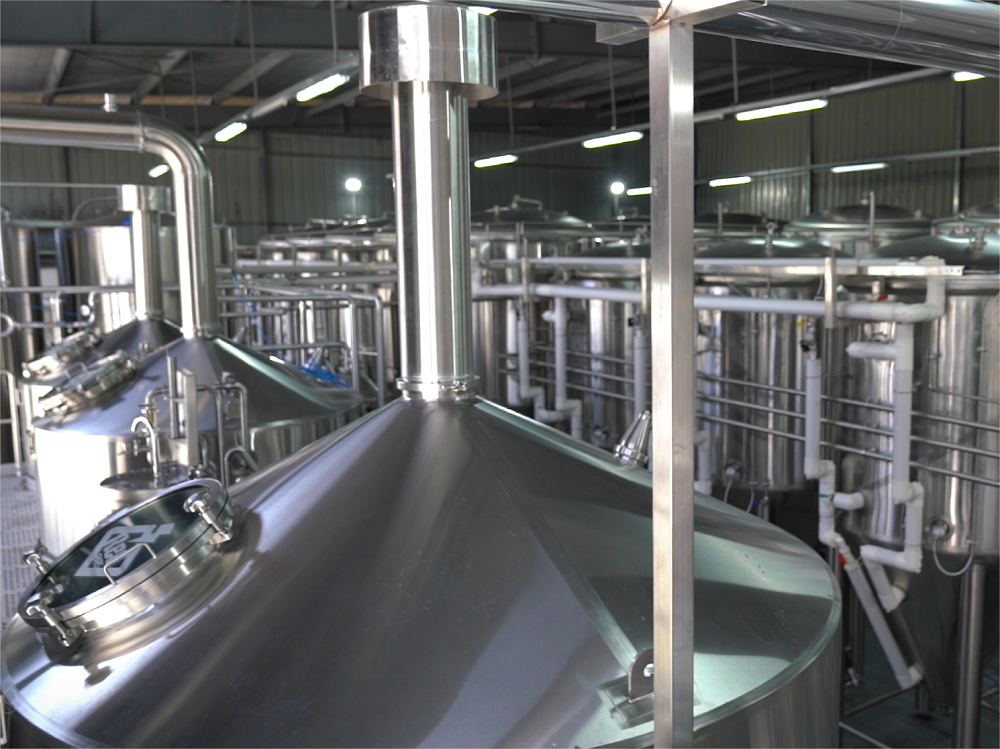
Equipment is the core of your operation. Avoid compromising quality for cost, which could hinder future expansion. Key considerations include:
Batch Size and Configuration: Equip with mashing systems and fermentation tanks suitable for your intended capacity.
Equipment Quality: Opt for stainless steel such as 304 or 316L to ensure hygiene and durability.
Automation Level: While manual equipment may have lower initial costs, it increases labor and variability risks. Investing in PLC-controlled automation systems enhances consistency and efficiency.
After-Sales Support: Choose manufacturers offering engineering support, installation training, and spare parts—especially important for international procurement. With over 2,600 successful cases, we offer an integrated global service system, encompassing installation and commissioning, operational training, and long-term spare parts supply, ensuring your equipment operates efficiently and reliably.
III. Raw Material Supply
High-quality raw materials are vital for consistent production:
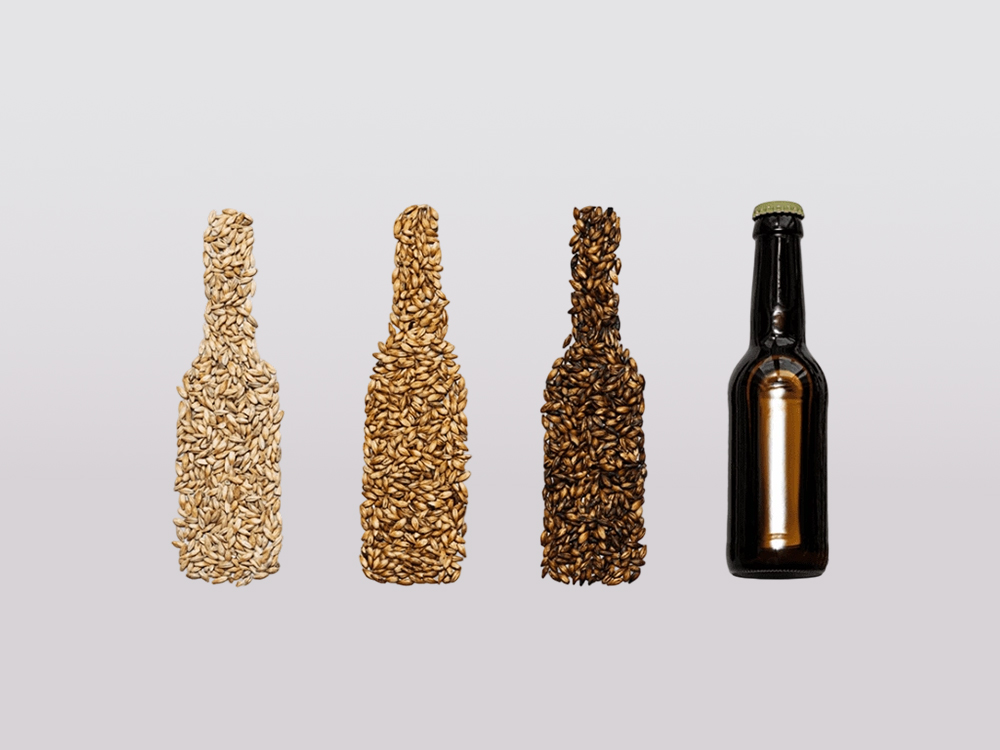
Malts and Hops: Select reliable suppliers to ensure quality.
Yeast: Establish partnerships with laboratories or suppliers for strain selection, propagation, and contamination control.
Building long-term relationships with suppliers guarantees consistent quality and maintains your brand reputation.
IV. Standardized Production Processes to Ensure Quality and Scalability
Standard Operating Procedures (SOP) are fundamental:
Hygiene and Cleaning: Use food-grade alkaline cleaners and acids, with strict, regular sanitation schedules.
Fermentation Control: Carefully monitor temperature to prevent flavor defects caused by poor temperature management.
Packaging Hygiene: During bottling or canning, oxygen exposure affects shelf life; utilize inert gases to minimize oxidation.
Training staff to not only follow recipes but also understand the importance of each step is critical for quality assurance and scalability.
V . Packaging Strategies Aligned with Market Goals
Packaging serves both as a vessel for the product and a marketing tool:
Kegs: Suitable for draft beer sales at bars and restaurants; cost-effective but require deposits and logistics management.
Cans: Lightweight, UV-protected, portable, and effective for brand visibility, ideal for retail markets such as the U.S., and equipped with filling lines.
Glass Bottles: Traditional and high-end, though heavier and more fragile; preferred in certain European markets for premium products.
Crowlers: Perfect for bar and event sales, offering a convenient, single-serving option.
VI. Developing a Multi-Channel Sales Strategy
On-site direct sales: maximize profits and serve as a platform for craft beer enthusiasts to connect.
Wholesale Distribution: Collaborate with regional distributors or negotiate direct sales.
Exports: Expand into markets with growing demand for craft beer, while navigating complex import regulations.
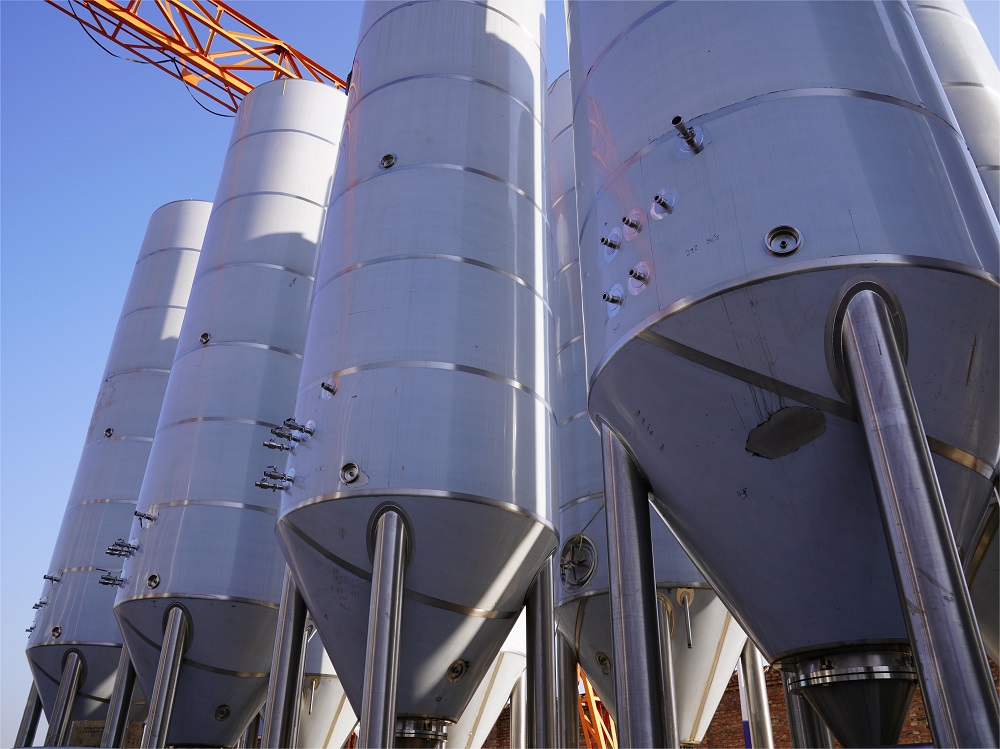
Starting a craft brewery blends art, technology, and entrepreneurial spirit. Success hinges not only on producing exceptional beer but also on robust financial management, compliance with regulations, and a relentless pursuit of quality and customer experience. If you are committed to entering this industry, feel free to contact Tiantai for more information.