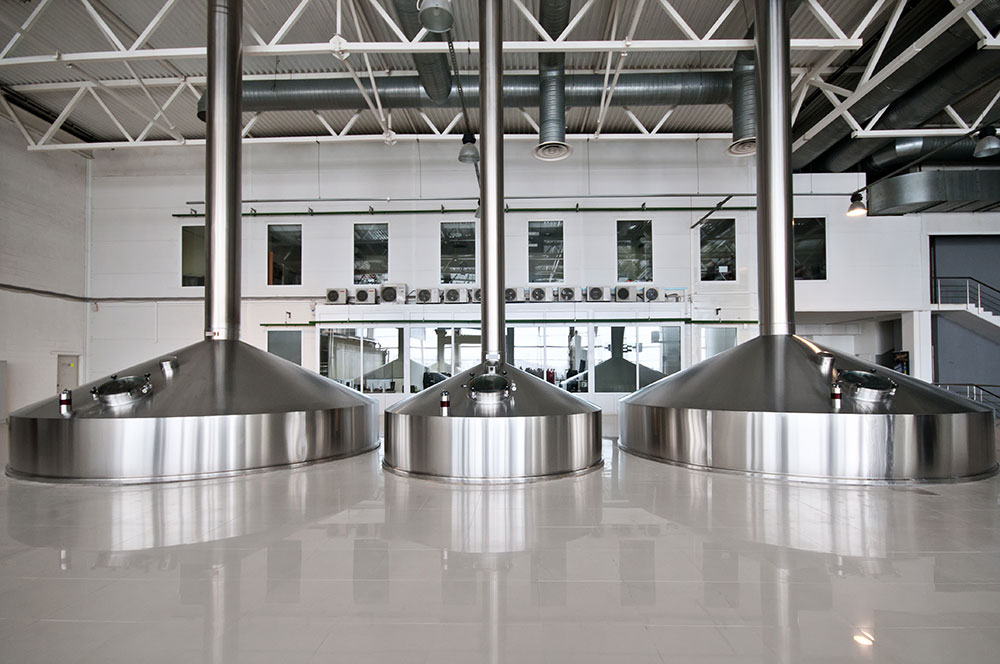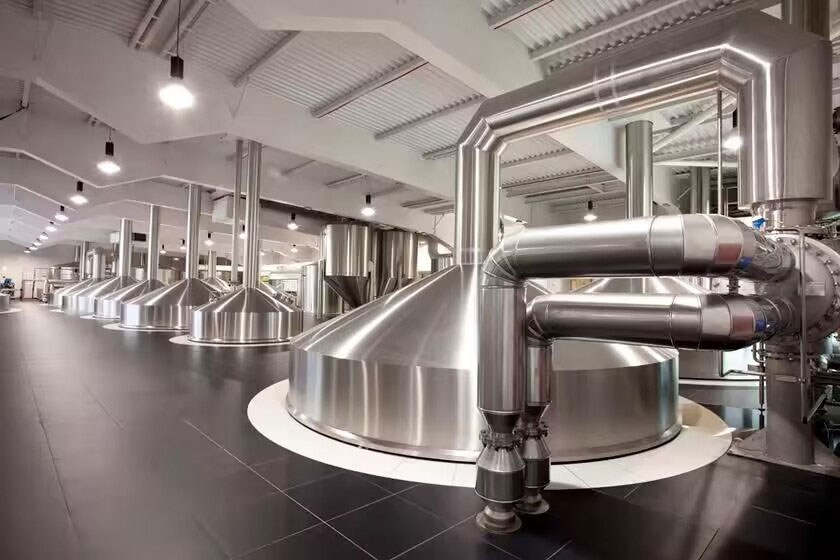

TianTai understands that in the actual process of starting a craft beer business, many people are caught in a dilemma when it comes to equipment selection: on the one hand, they worry that spending a lot of money to purchase equipment will lead to excessive investment and waste, affecting the company’s cash flow and subsequent development; on the other hand, they are tempted to choose cheap equipment, but they are always worried that the equipment is of poor quality and will “break down” in the production process, resulting in unstable beer quality, which in turn affects the brand reputation and loses the trust of consumers. This dilemma is a major challenge for many entrepreneurs in the initial stages.
As a manufacturer with over ten years of experience in the craft beer equipment industry, Shandong Tiantai has witnessed the entrepreneurial journeys of countless clients thanks to our rich experience and deep market insights. Through collaborations with over 2800 clients, we have accumulated numerous practical case studies, gaining a profound understanding of the critical impact of equipment selection, quality assessment, and cost control on craft beer startups. Next, we will share the most practical tips without reservation to help entrepreneurs avoid detours.
Equipment selection: tailored to needs, with reasonable planning
Determine direction based on scenario
When selecting craft beer brewing equipment, “tailoring to local conditions” is a key principle. Different operating scenarios have drastically different requirements for equipment. Only by accurately matching the needs of the scenario can the equipment achieve its maximum efficiency.
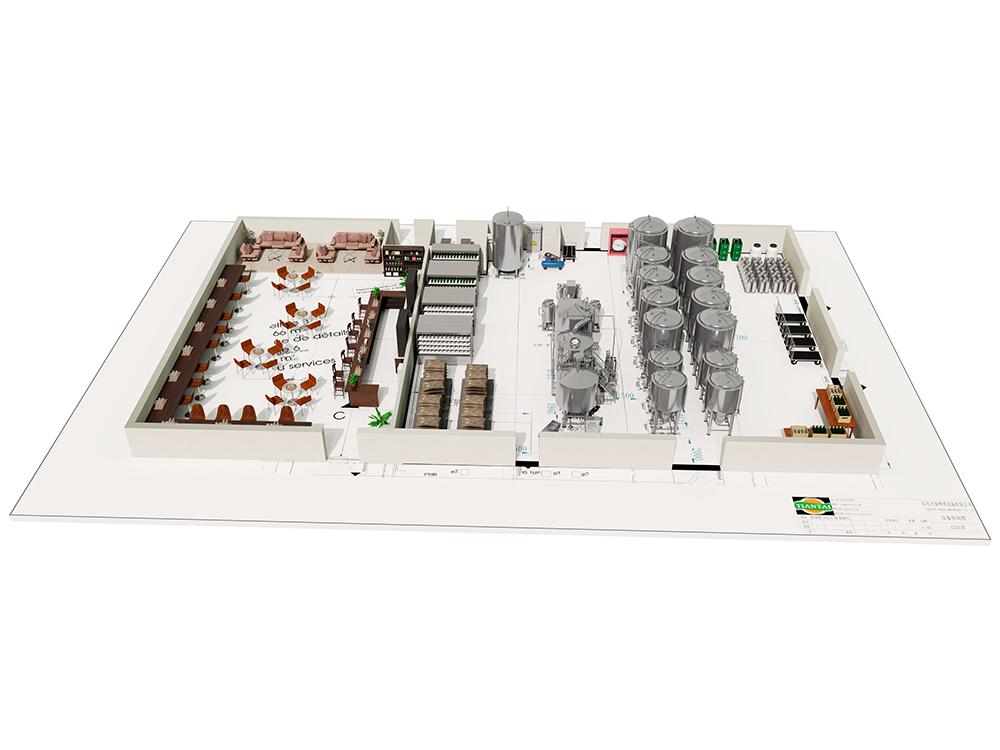
For bar brewing, space is often limited, so a compact and flexible combined two-vessel or three-vessel brewhouse is a good choice. Suppose a greater emphasis is placed on the on-site experience, a visualized fermentation space design can be implemented, allowing customers to experience the charm of craft beer brewing up close, increasing enjoyment and bar interaction.
Small to medium-sized craft breweries aim for mass production, pursuing efficient and stable production. Equipment needs to balance efficiency and capacity; a four-vessel brewhouse of 1000L or more is the first choice, coupled with multiple suitable fermentation tanks to achieve continuous production and meet market demands. Simultaneously, to ensure production stability and product quality consistency, the equipment should also have a highly automated control system capable of precisely controlling key parameters such as temperature and pressure during the brewing process. In addition to basic brewing equipment, branded beer distribution businesses also need to be equipped with professional storage tanks and a complete cold chain transportation system. Storage tanks must have excellent sealing and insulation performance to ensure that the beer’s flavor and quality remain unchanged during storage. Cold chain transportation equipment must ensure that the beer remains at a suitable temperature during transportation to prevent temperature fluctuations from affecting the beer quality, thereby maintaining the brand’s good reputation and market image.
Reserved upgrade space
In the early stages of a startup, both funding and market demand are subject to uncertainty. Therefore, reserving upgrade potential for equipment interfaces and site planning is crucial. This not only avoids the high costs of replacing equipment due to short-term business growth but also provides a guarantee for the company’s long-term development.
Regarding the mashing system, a four-vessel brewhouse (Mash Tun, Lauter Tun, Brew Kettle, Whirlpool Tank) is a good starting point, meeting basic brewing needs. As business grows, if increased mashing efficiency or craft beer flavor is required, equipment such as Hold Tun can be added. Hold Tun acts as a buffer after wort filtration, making the production process more efficient.
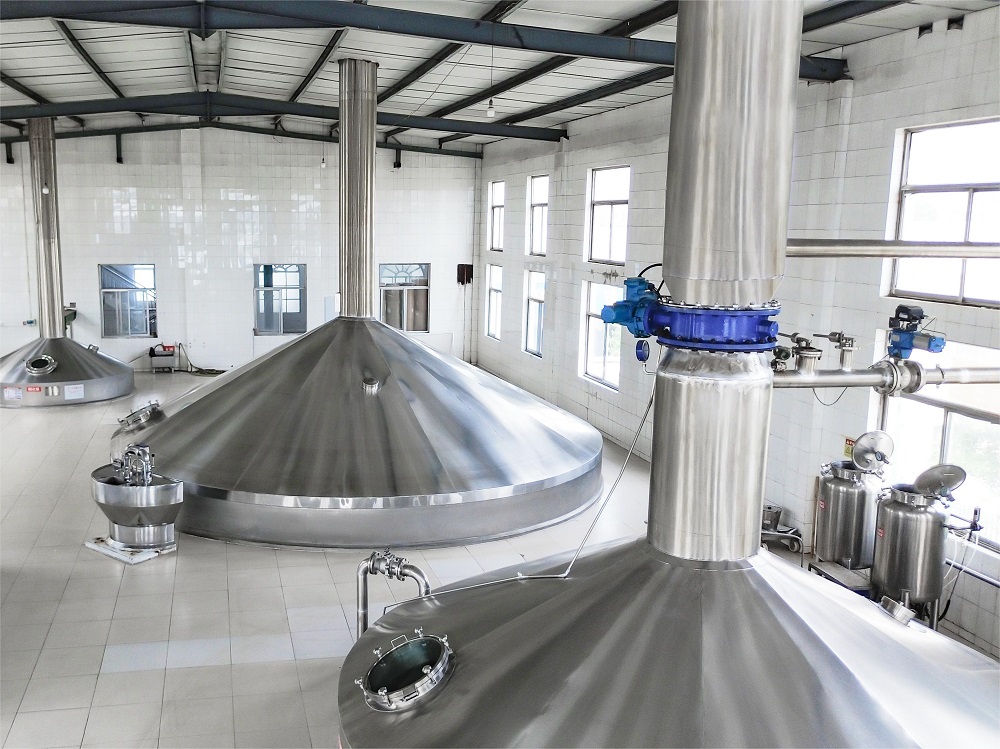
The same applies to Fermenters. Initially, a suitable number of Fermenters can be configured based on actual sales volume. As sales increase, the number of Fermenters can be gradually added. When selecting Fermenters, attention should be paid to their interfaces and installation methods to ensure seamless integration with existing equipment, forming a complete and efficient production system. Additionally, sufficient space should be reserved during site planning to accommodate future equipment expansion and upgrades, thereby avoiding hindrance to the enterprise’s development due to site limitations.
Cost control: Smart purchasing, saving expenses
Distinguish between primary and secondary configurations
In the early stages of a craft beer startup, funding is often the most critical constraint, requiring careful budgeting for every expense. At this point, it is especially important to distinguish between “necessary configurations” and “icing on the cake” configurations. Essential equipment forms the foundation for smooth beer production. With limited funds, entrepreneurs should prioritize ensuring the quality of core components and choosing high-quality equipment. While high-quality products may be relatively more expensive, in the long run, they effectively reduce equipment failure rates, maintenance costs, and production downtime losses due to equipment malfunctions. Conversely, some non-core configurations, such as highly automated auxiliary equipment, can be appropriately simplified in the early stages when business volume is small and manpower is sufficient. This satisfies current production needs while avoiding unnecessary investment, using limited funds wisely, and laying the foundation for the company’s steady development.
Direct sourcing from the source is better
When purchasing craft beer equipment, choosing to buy directly from the manufacturer has significant advantages. Intermediaries, to maximize profits, often add layers of markups during the sales process, resulting in inflated equipment prices and additional costs for entrepreneurs. By directly connecting with the source manufacturers, it is possible to bypass intermediate links and purchase equipment directly at the factory price, thereby significantly reducing procurement costs.
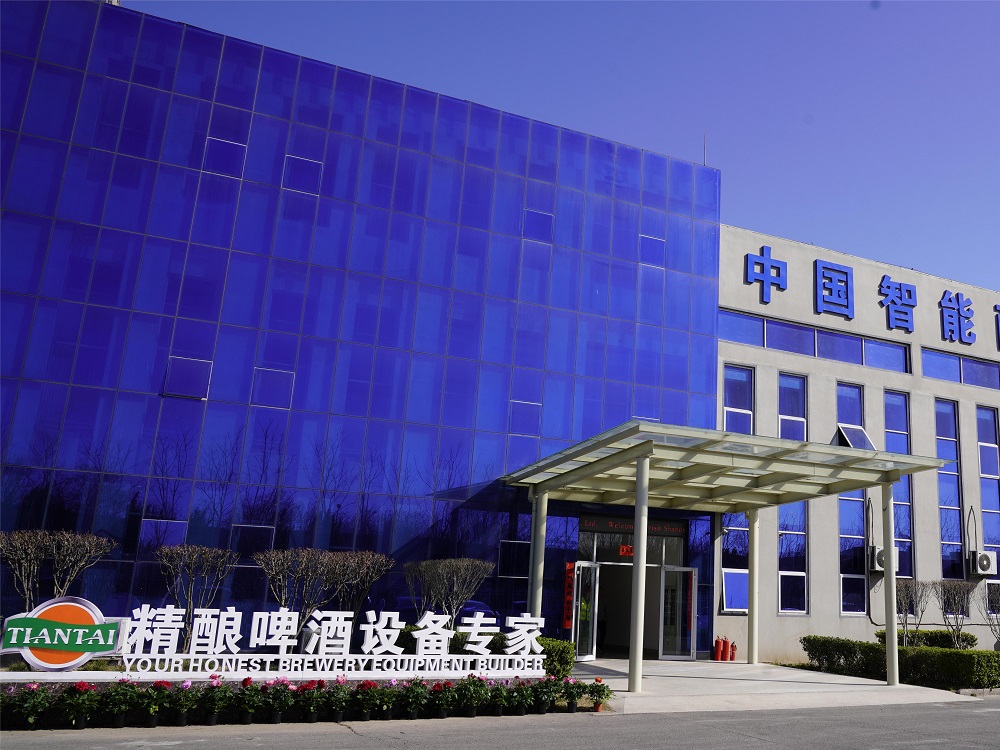
Besides price advantages, original manufacturers can also customize equipment to meet the individual needs of entrepreneurs. Different craft beer startups may have different positioning, production capacity, brewing processes, and therefore different equipment requirements. As a source manufacturer, Shandong Tiantai supports “customization on demand.” Whether it’s a small bar looking to achieve efficient brewing in a limited space, a medium-sized craft brewery pursuing large-scale production, or a large brand beer distribution company with special equipment requirements, Shandong Tiantai can leverage its professional technical team and rich experience to tailor the most suitable equipment configuration solution for customers, meeting their diverse needs and avoiding resource waste and cost increases caused by mismatched equipment functions.