
Introduction to Opaque Beer
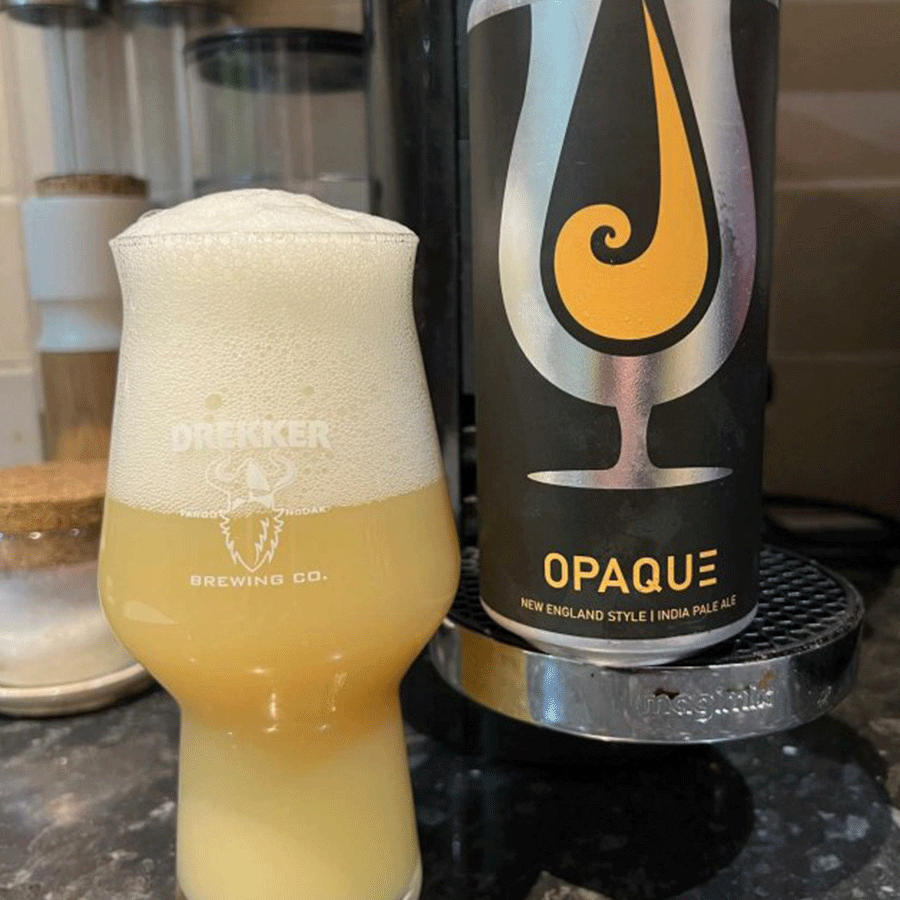
Opaque beer is one of Africa’s most widely consumed traditional alcoholic beverages, produced primarily from sorghum, maize (corn), millet, cassava, or a combination of these locally available grains. Unlike conventional lager beer, opaque beer is intentionally unfiltered, allowing yeast cells, grain particles, proteins, and other suspended solids to remain in the final product. This gives the beer its characteristic cloudy appearance, rich mouthfeel, and nutritional value.
Across the African continent, opaque beer is known by different regional names, including Chibuku in Zimbabwe and Zambia, Umqombothi in South Africa, and Pito in West Africa. Depending on the recipe and fermentation method, the alcohol content typically ranges between 1% and 5% ABV.
In addition to its refreshing taste, opaque beer is valued for its nutritional content, retaining natural proteins, vitamins, minerals, and live yeast that are often removed during conventional beer filtration processes. In many communities, it is considered a “liquid food” and plays an important role in social gatherings, traditional ceremonies, festivals, and cultural celebrations.
As consumer demand continues to grow, many breweries are transitioning from traditional batch production to modern industrial-scale manufacturing. Establishing a dedicated opaque beer production line enables producers to achieve consistent product quality, higher production efficiency, improved hygiene standards, and increased market competitiveness.
Opaque Beer Brewing System Configuration
1. Raw Material Storage System
Stores maize meal, sorghum malt, cassava flour, enzymes, and brewing additives. Includes silos or bag storage areas designed for efficient material handling and inventory management.
2. Milling System
The milling system reduces grain particle size to improve starch accessibility and maximize extraction efficiency during brewing.
For opaque beer production, hammer mills are commonly used because they can effectively process maize, sorghum, millet, and cassava-based raw materials while maintaining high throughput.
3. Mash Mixing Tank
Mixes milled raw materials with water to form a uniform slurry before cooking and starch conversion.
4. Gelatinization Cooker
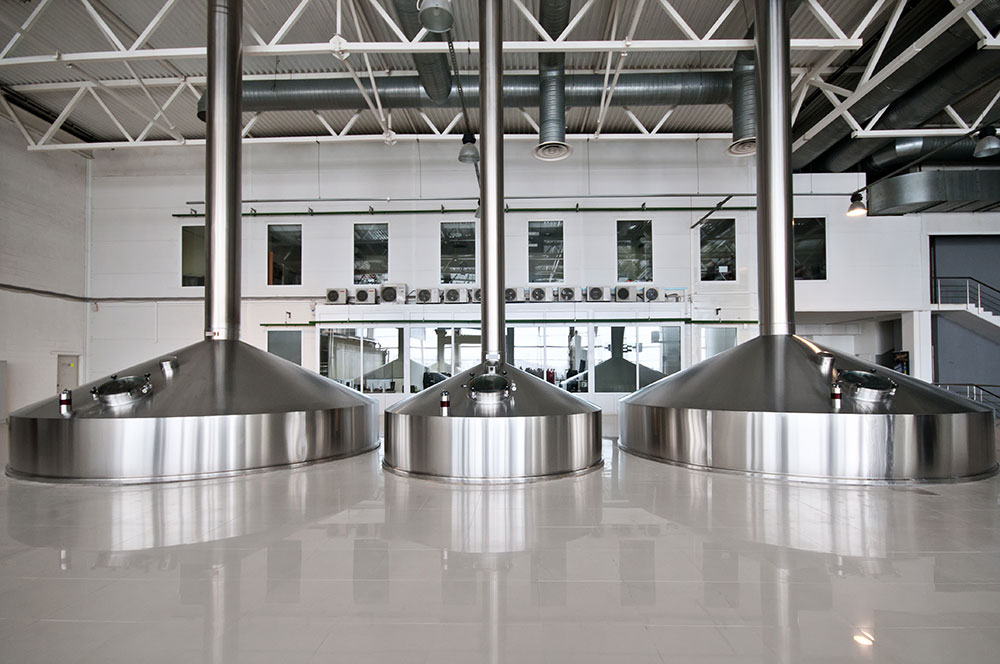
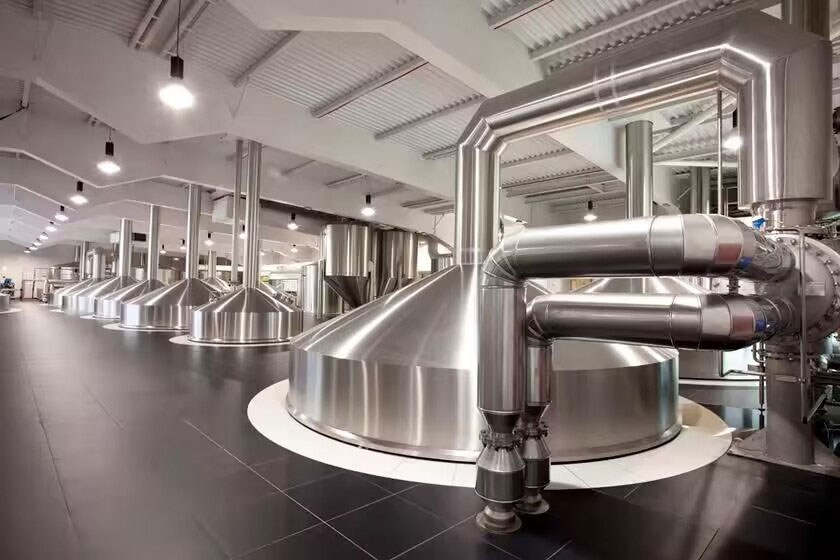
The gelatinization cooker is one of the most critical vessels in an opaque beer brewery.Using direct steam injection or steam-jacket heating, the cooker raises the mash temperature to gelatinize starch contained in maize, sorghum, or cassava. Proper gelatinization breaks down the granular starch structure, making it accessible to enzymatic action during saccharification.
5. Mash Conversion Tank
Provides temperature-controlled conditions for liquefaction and saccharification. Enzymes convert gelatinized starch into fermentable sugars while maintaining the desired mash consistency.
6. Cooling System
Uses a plate heat exchanger or tubular cooler to rapidly reduce mash temperature to fermentation conditions, minimizing contamination risk.
7. Yeast Propagation System
Produces active brewing yeast under sanitary conditions, ensuring consistent fermentation performance and product quality.
8. Fermentation Tank
The core vessel where sugars are converted into alcohol and flavor compounds. Equipped with cooling jackets and designed to handle high-solid-content opaque beer fermentation.
9. Opaque Beer Holding & Storage Tank
Serves as both the maturation and finished beer storage vessel. Provides short-term conditioning, flavor stabilization, and buffer storage before packaging. Equipped with gentle agitation or recirculation to maintain the characteristic opaque appearance and prevent excessive settling of suspended solids.
10. Packaging System
Typically includes PET bottle filling, pouch filling, or keg filling equipment. The system is designed to handle opaque beer containing suspended solids without filtration.
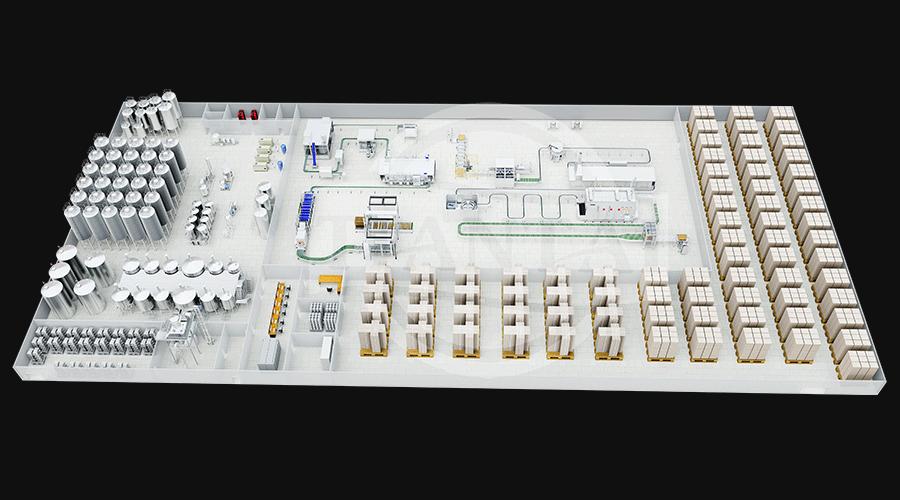
Whether you are establishing a small-scale regional brewery or a large industrial production facility, our engineering team can customize the plant layout, process configuration, and equipment specifications to match your production capacity, local raw materials, and market requirements. From project planning and equipment manufacturing to installation, commissioning, and technical support, we deliver a complete turnkey solution for successful opaque beer production.For any needs, please feel free to contact TianTai for solutions.