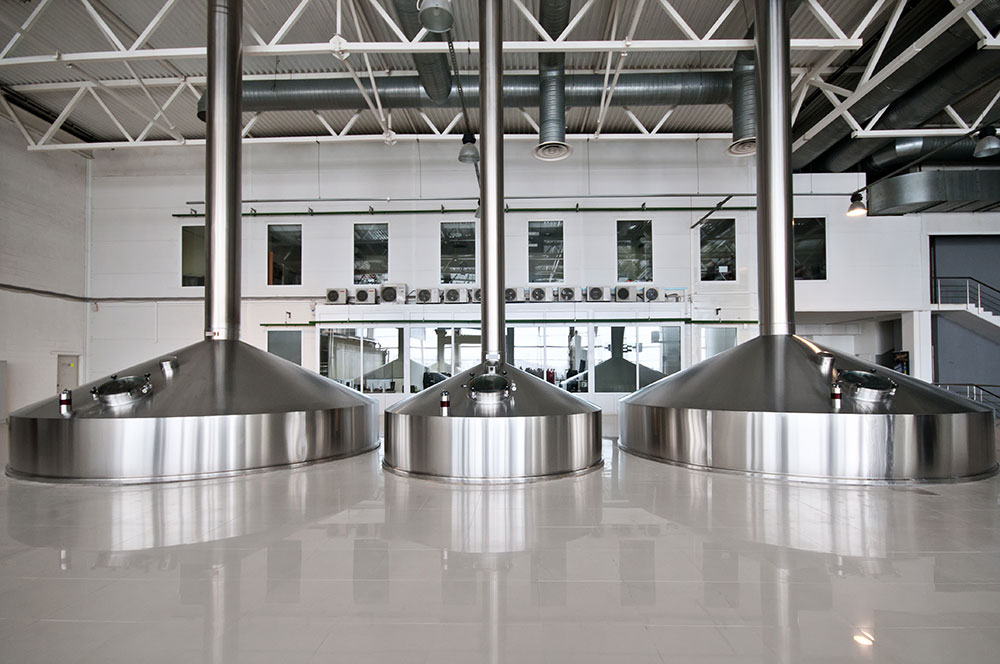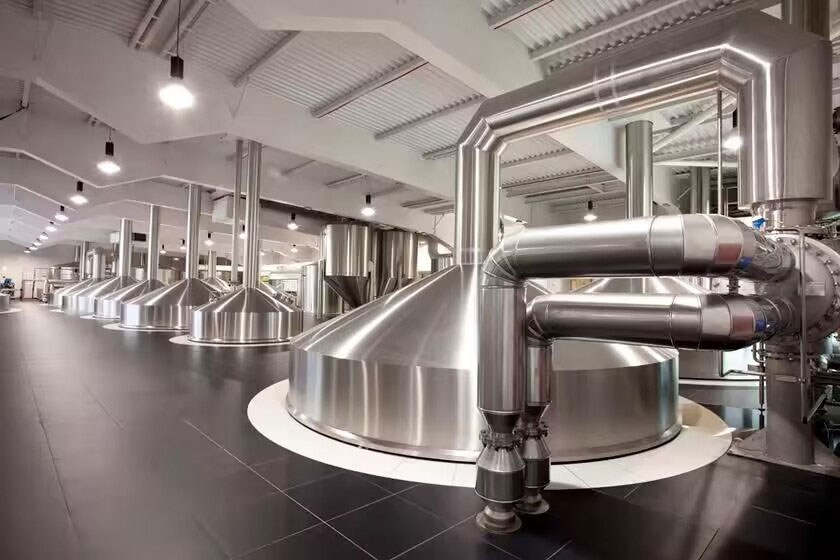

When talking with brewery owners planning to expand, you’ll find most of them first weigh two things: whether to build a new facility, and whether to upgrade the entire brewhouse system. But by the time it comes down to actually making it happen, many find themselves circling back to the same question—are there enough fermentation tanks?
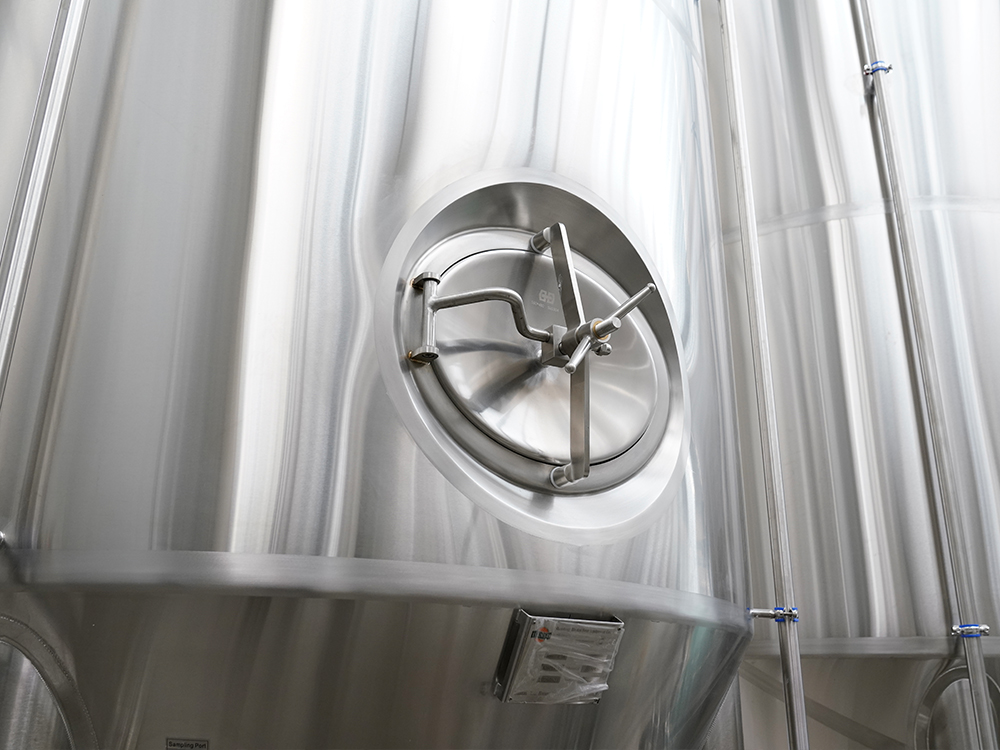
The reason isn’t hard to grasp. The brewhouse doesn’t move slowly when it comes out wort—it can turn out several batches in a single day. But once that wort goes into a fermentation tank, it needs ten to twenty days to ferment and condition. In other words, no matter how much spare capacity the brewhouse has, if there aren’t enough tanks to catch and cycle all that wort, the whole line grinds to a halt at the fermentation stage. Adding fermentation tanks is a cost-effective move, but if you get the timing wrong, it hurts just the same. So what’s really worth considering isn’t “should we add tanks,” but “when to add them, how many, and which type.”
Before Adding Tanks, Assess the Whole Production Line First
Plenty of breweries trip over adding tanks not because they chose the wrong tank, but because they treated it as a one-off purchase. The first thing to get clear is the goal of this expansion—whether it’s to push annual output higher, or to broaden channels and add craft beer categories. Different goals mean entirely different things when it comes to number of tanks, single-tank capacity, and supporting solutions. Once the goal is set, you also need to go back and match it against the brewhouse: if the brewhouse itself runs slowly, adding fermentation tanks without touching the brewhouse only treats the symptom, not the root cause.
At the same time, the most easily overlooked part of the assessment is cooling. Every additional fermentation tank pushes the cooling load up a notch, and since ethylene glycol is the main cooling medium in a brewery, you have to factor in its chiller capacity, the heat load of multiple tanks fermenting at once, rapid-cooling needs, how the piping runs, and whether there’s enough reserve margin.
How to Choose the Right Tanks
When it comes to selection, the broad approach really comes down to three options: add tanks of the same size, which keeps landing risk lower; switch to larger tanks, which raises output efficiency per unit volume, best suited for focusing on flagship single-batch products; or a mix of large and small tanks, which keeps the flagship line stable while leaving room for seasonal and specialty brews. Generally speaking, when a brewery makes only a couple of beer types, larger-capacity tanks are the better value, saving both cost and floor space; but breweries with a more fragmented market and multiple channels often need several tank sizes to coexist.
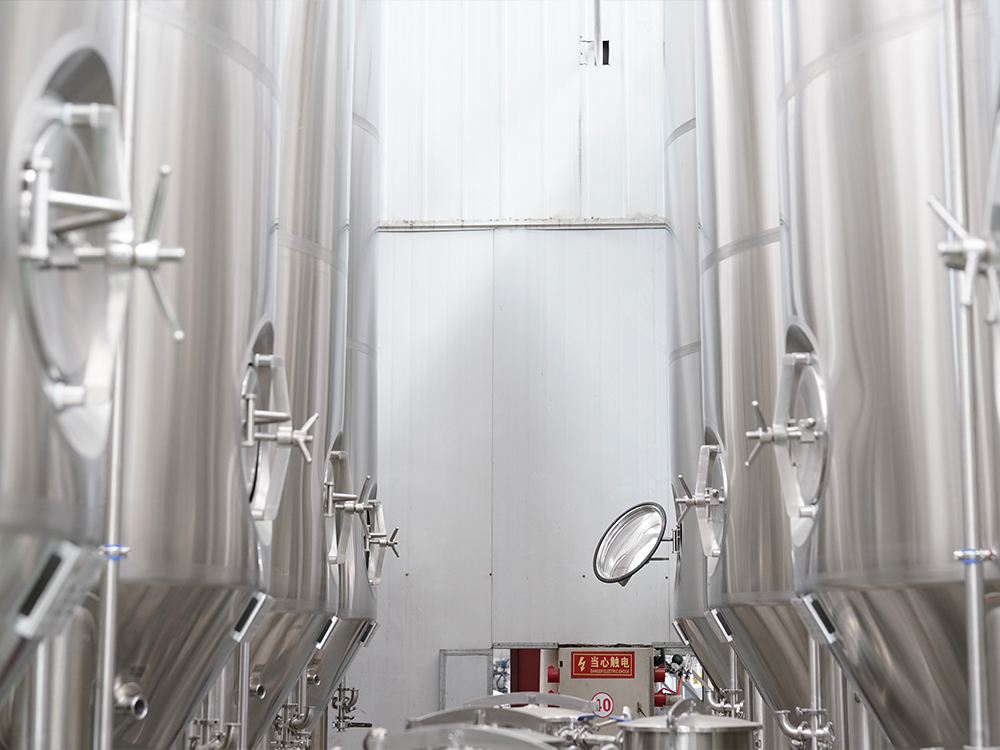
It must be stressed here that the number of fermentation tanks and the capacity of each tank have to be worked out concretely against the brewhouse and fermentation cycles. The commonly used formula in the industry is: daily output equals fermentation tank volume times the number of tanks, divided by the fermentation cycle. This is not the kind of math you can get right without real-world brewery project experience—it usually takes a knowledgeable engineer to work it out.
Handing This Engineering Problem to a Professional Team
Scientific expansion through added tanks means balancing a whole network of factors at once—brewhouse output, tank turnover, product mix, plant layout, utilities, and market demand. Tiantai is a professional beer equipment manufacturer and brewery project service provider, able to design, produce, and process the full set of brewery equipment in-house. In other words, when you come to Tiantai, you’re not buying a few isolated tanks—you’re getting a complete expansion solution that can actually land on the ground.
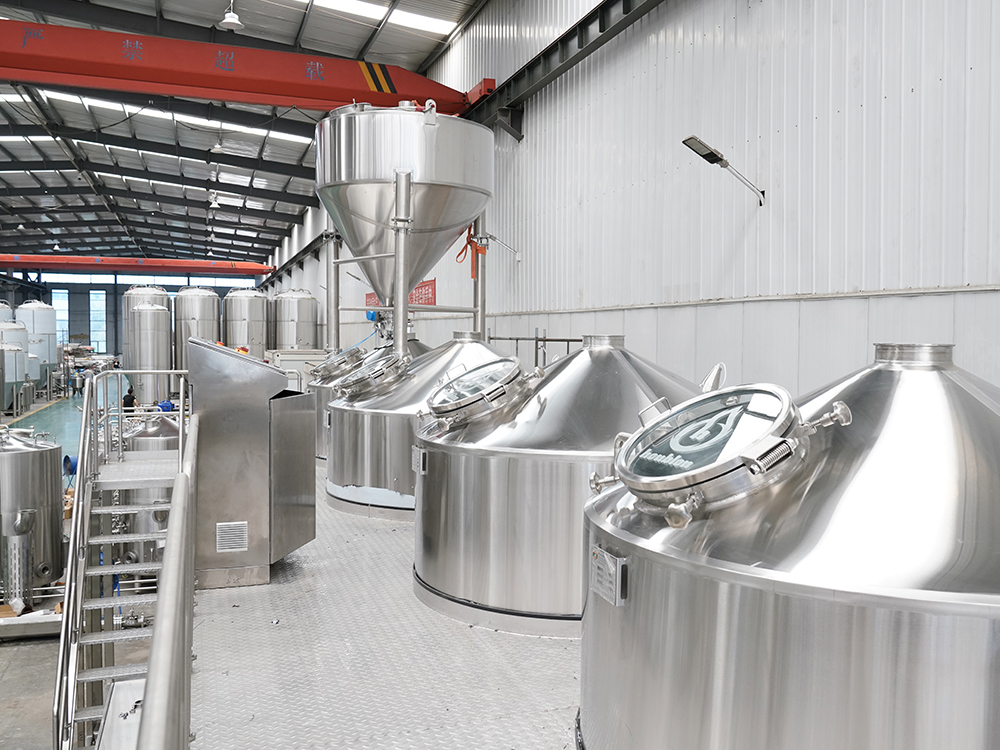
Whether you’re planning to build a large industrial brewery from scratch or retrofit an existing one, Tiantai can sit down with you and work through every thread—”whether to expand, how much, which tanks to match, and how the supporting systems go.” Expanding your tank capacity has never been a multiple-choice question; it’s an engineering problem that has to be worked out together—so hand it to a team that has walked countless brewery production lines: Tiantai, your reliable brewery construction partner. If you’d like to talk about brewery construction or capacity expansion solutions, feel free to reach out to us anytime.